Our only full day in Texas, the Panhandle in the north-west of the state. A 94-mile ride from Amarillo to Shamrock.
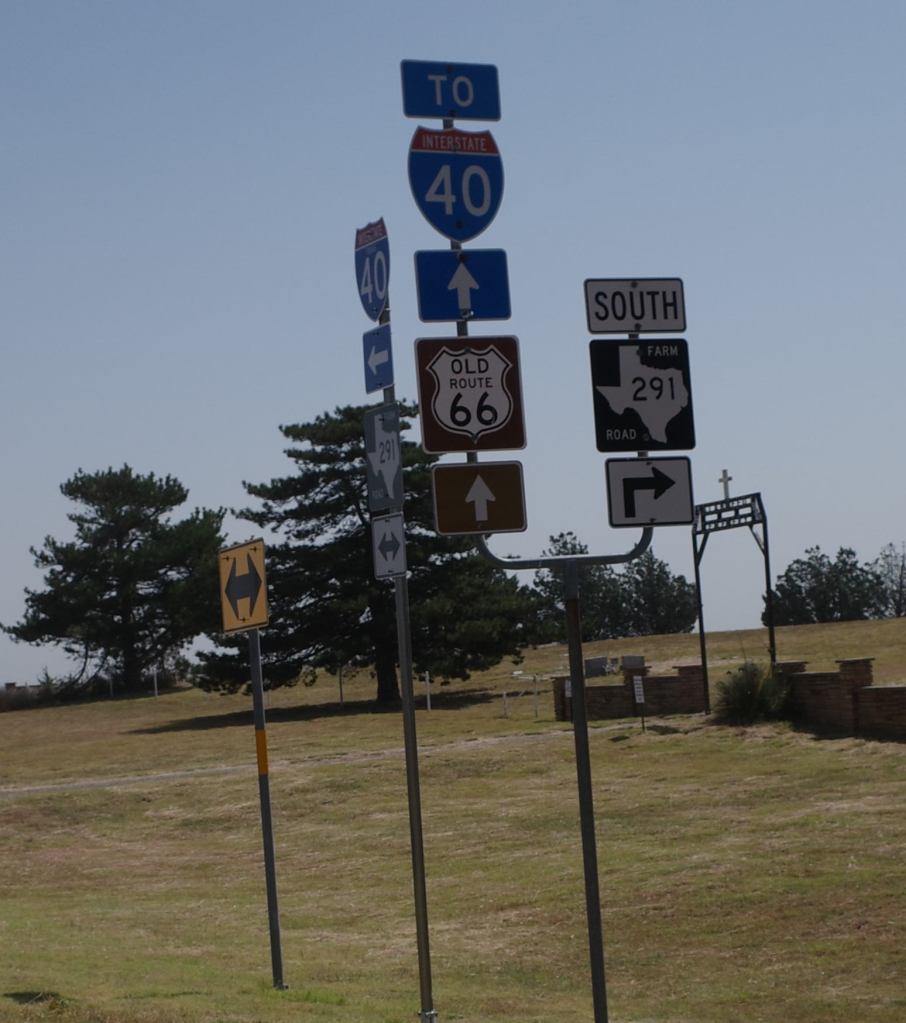
Cross-winds slowed progress. Along the way, reminders of historic old route 66, an early long distance route across the West from Chicago to Los Angeles and immortalized in Steinbeck’s “Grapes of Wrath.”
Texas suffers from most forms of climate change: coastal erosion, flooding (e,g, Houston in 2019), drought for many years in different parts of the state, the famous snow event in 2021.
Most of the agriculture in the Panhandle is irrigated, using groundwater from the High Plains Aquifer System. The countryside looks dry, interspersed with large fields that are clearly irrigated. The water comes from below ground.
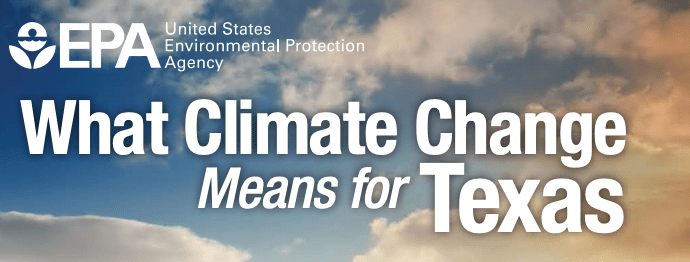
The EPA reports that since the 1950s, the water stored in some parts of the state has been depleted by more than 50 percent. This snippet of information came from the project to preserve the information on the EPA’s website that the Trump administration shut down as one of its first acts in 2017.
Crossing the (for Texas modest) State Line from New Mexico to Texas.
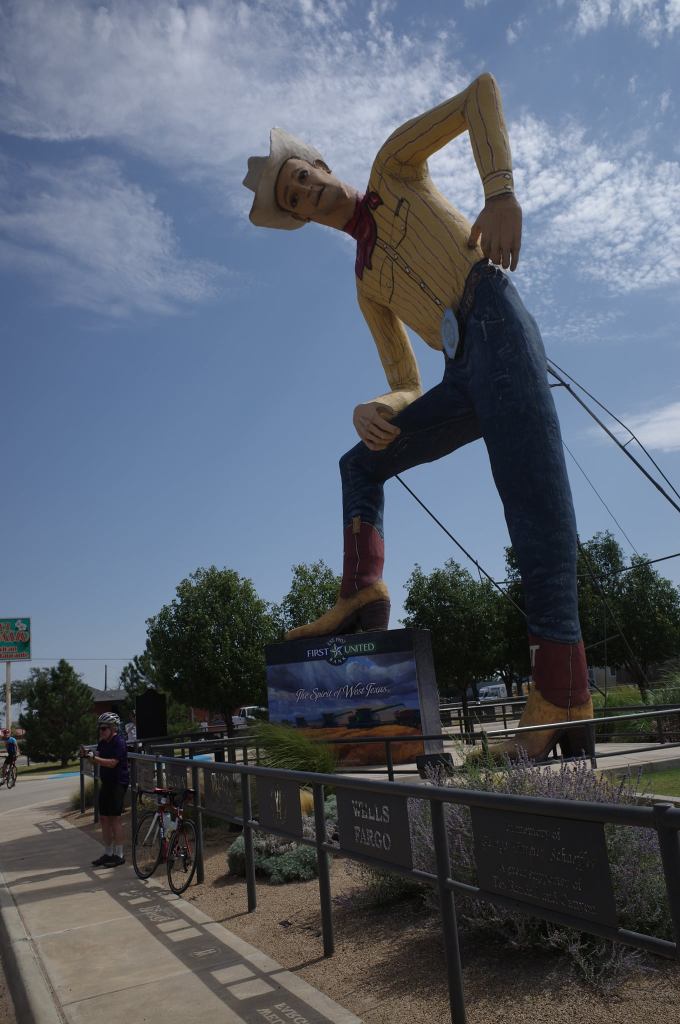
On our way to Amarillo, where things are often far from modest in scale!
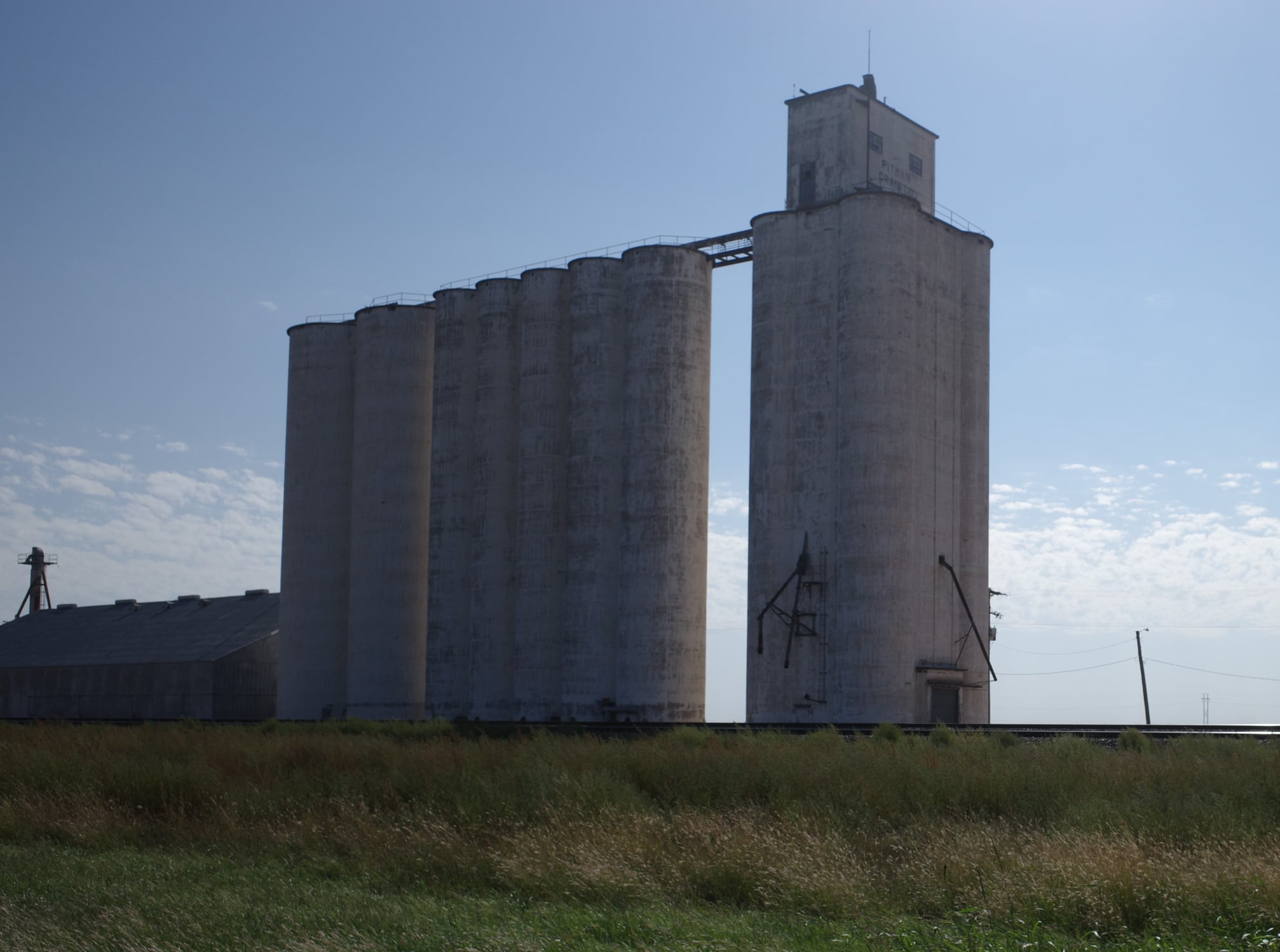
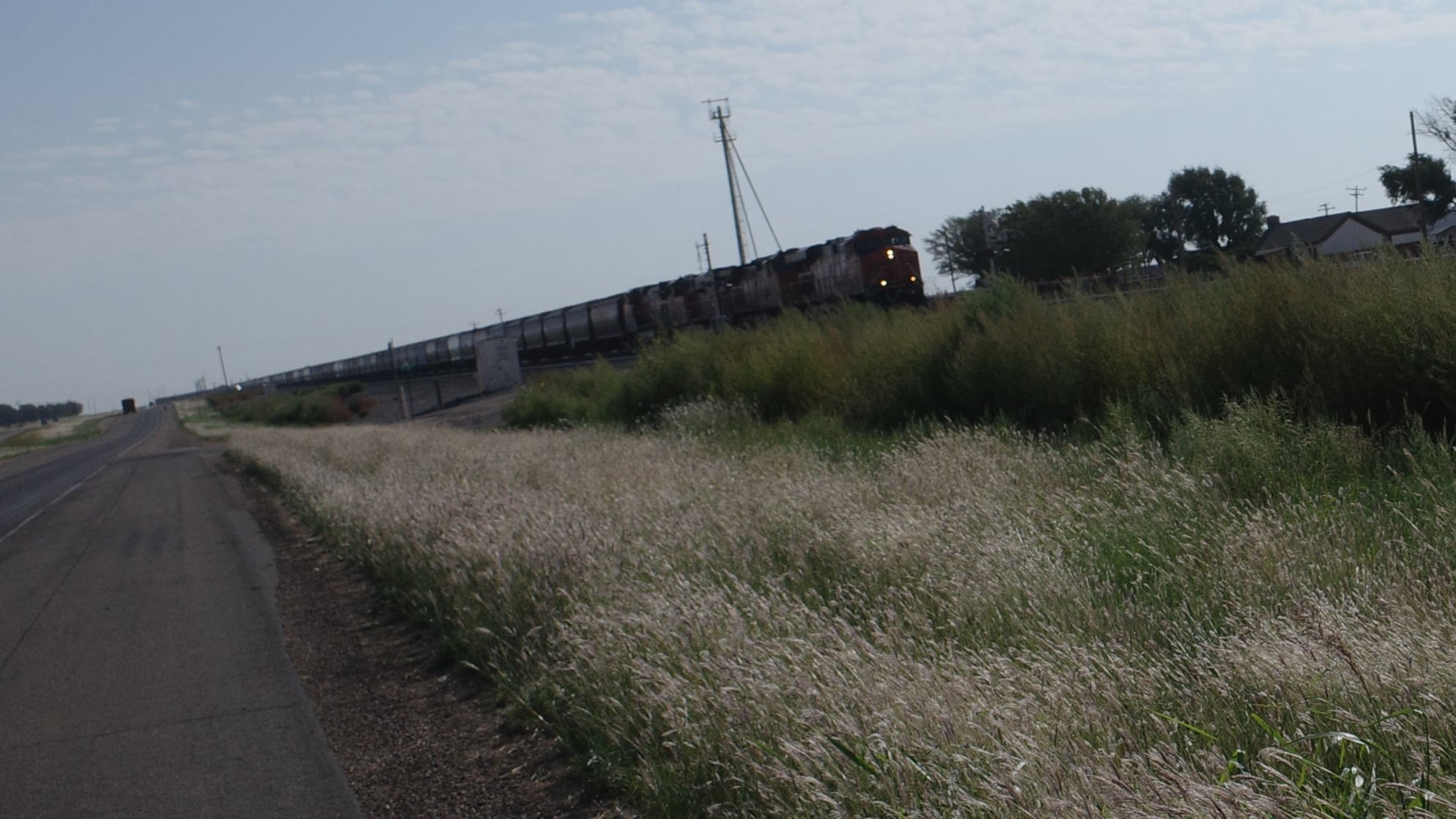
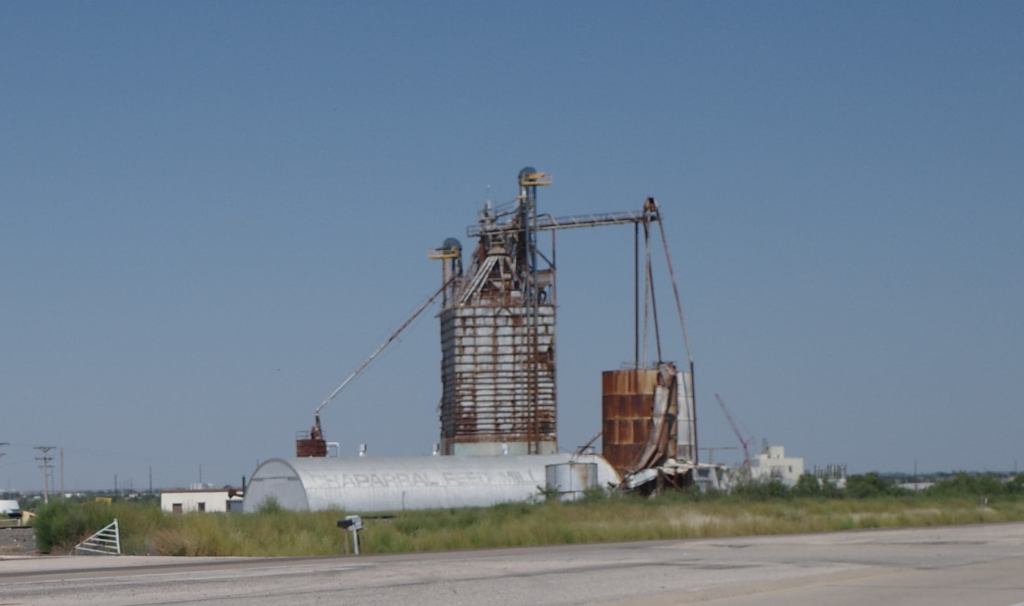
The terrain is similar to previous few days, but now there is a bit more evidence of economic activity.
The journey today was a cyclist’s dream–a strong tail-wind to power us to strong performance (5 hours for 100 miles). One more day like that, then a sudden shift looms. Nearing the half-way point!
A brief encounter with TX. One of the chief climate deniers, no doubt influenced by Big Oil. But TX is actually on the forefront of wind and solar.
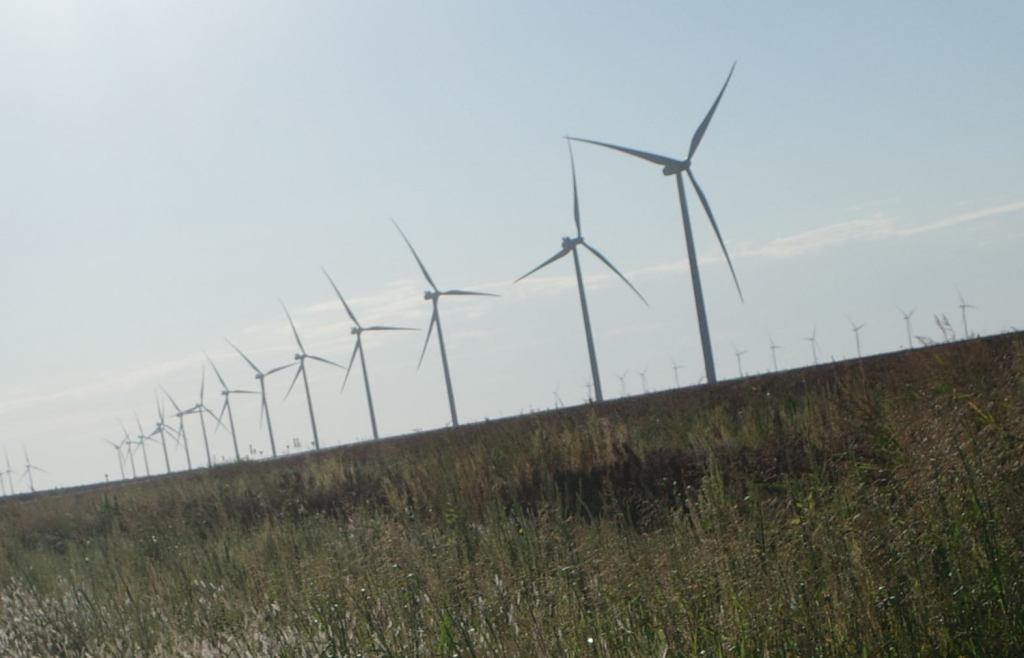
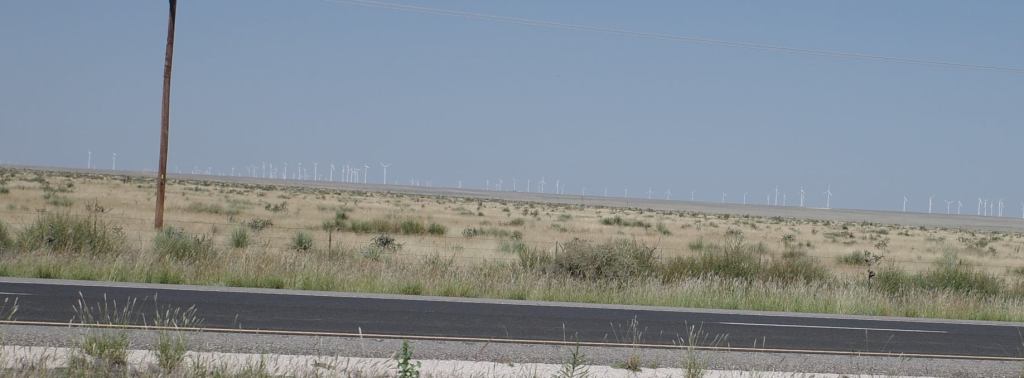
Bad news for cyclists sometimes, but the wind blows strongly in Texas, especially the Panhandle where we are. Today it was our friend. And it definitely is Texas’ friend. The state is by far the biggest producer of wind power. Enough in 2019 to power 6 million homes.
How ironic that Texas also seems to be home to the largest number of climate change deniers per square mile.
Over the past several days we have passed through a lot of semi-arid desert, but also some lovely, mainly mountainous, countryside. Mountains make for tired cyclists, so my plan to do daily Climate Breadcrumb posts has slipped away. Here are a few of the headlines of topics that were on the agenda.
The common theme is the preciousness and scarcity of water, and the effects of drought and over-use (especially agriculture) amplified by climate change.
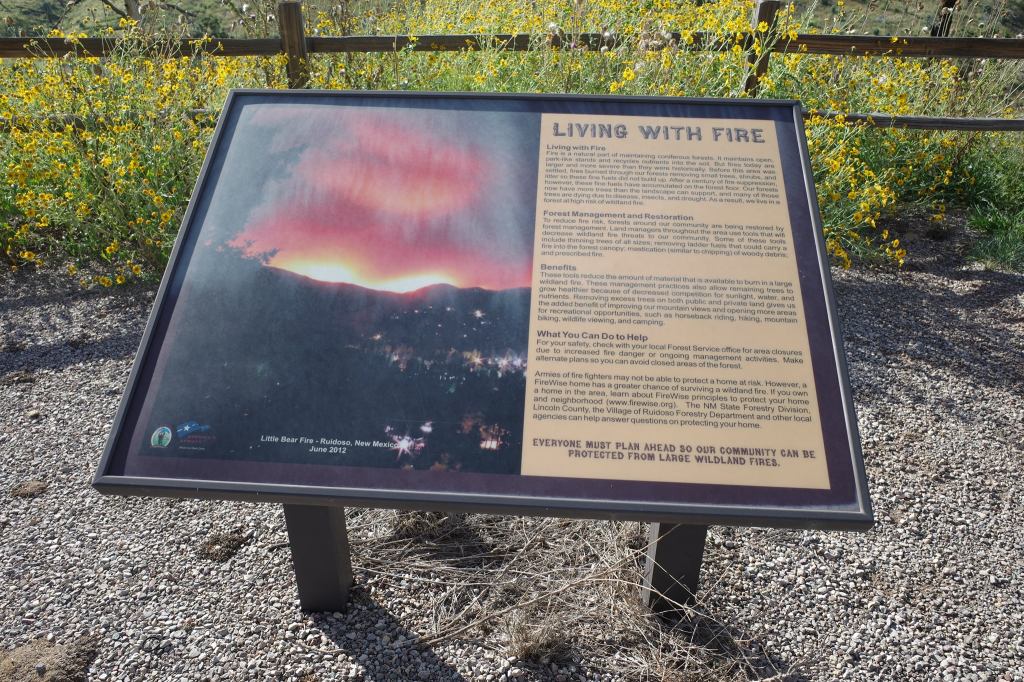
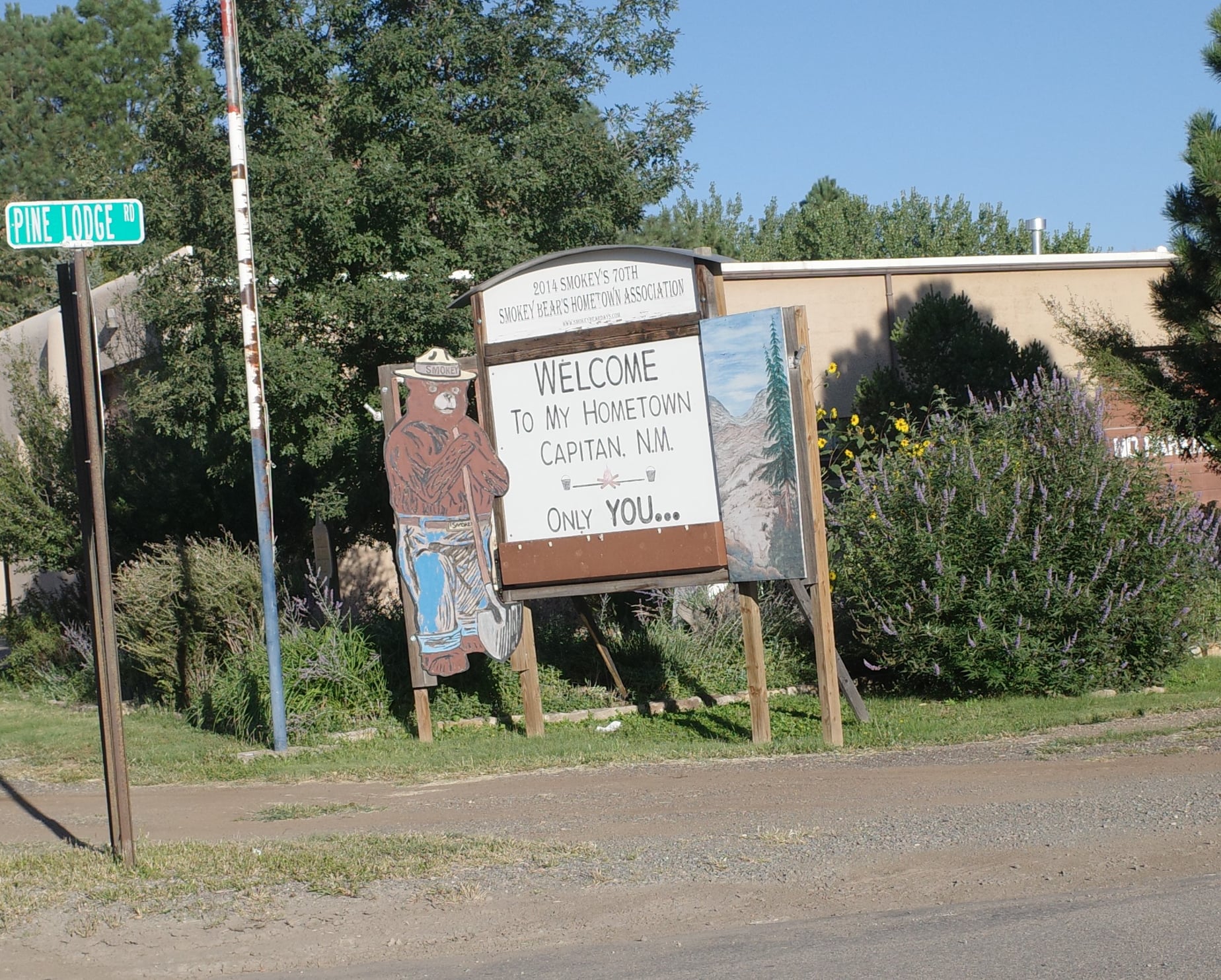
Ruidoso is mountainous and forested… and the location of major forest fires. Solutions are local in part. But New Mexico makes the connection with climate change and has realized that regional and global initiatives are essential.
In 2019, New Mexico issued a state climate action plan. It endorsed the Paris Accord. And it set state targets for the most egregious emissions of greenhouse gasses from its own oil and gas industry.
The Elephant Butte Reservoir was established by a 1938 pact among three states (Colorado, New Mexico and Texas) to allocate water from the Rio Grande among those states. But it has progressively dwindled over the decades, and is now down to just 5.6 percent of its capacity.
“Recent rains have brought some relief to Elephant Butte reservoir in southern New Mexico, but the U.S. Bureau of Reclamation is still preparing for low levels that have not been seen since the 1950s. Mary Carlson, a spokesperson for the BOR, said three decades of drought conditions where dry years have not been offset by multiple years of good precipitation have had a negative impact on reservoirs throughout the state—and Elephant Butte is no exception.“
Winslow skirts the Navajo Nation. This article from Public Radio International tells the story of the impact of climate change on Navajo women.
“The amount of surface water flowing in streams on the Navajo Nation has declined by about 98 percent over the 20th century,” says Dr. Margaret Redsteer, a scientist at the US Geological Survey in Flagstaff, Arizona.
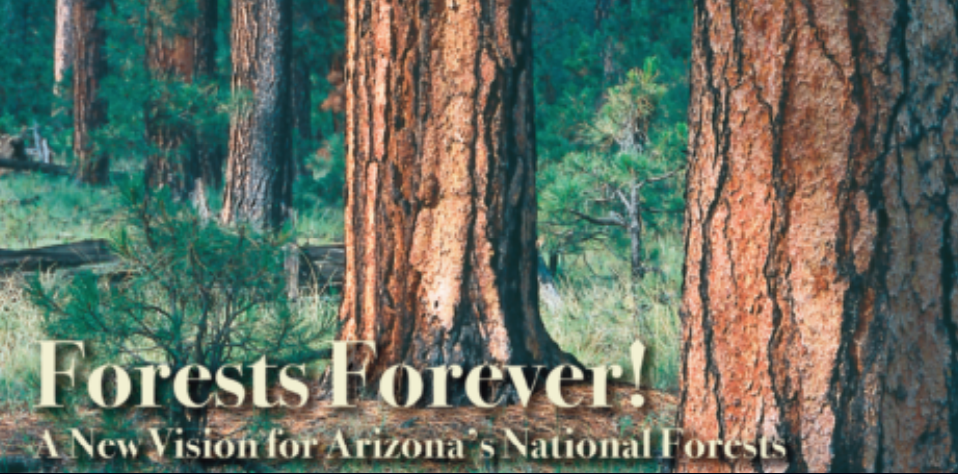
“The environment of Arizona is typically associated with desert vistas and dramatic canyon views. Yet Arizona is home to the largest contiguous ponderosa pine forest in the United States. From the sky islands of Southern Arizona to the Kaibab Plateau along the Grand Canyon’s North Rim, the forests of Arizona are home to a remarkable diversity of plants and animals, some found nowhere else on earth! As wild habitat throughout the Southwest is fragmented by development, public lands play an ever-greater role in the preservation of diverse and unique species…”
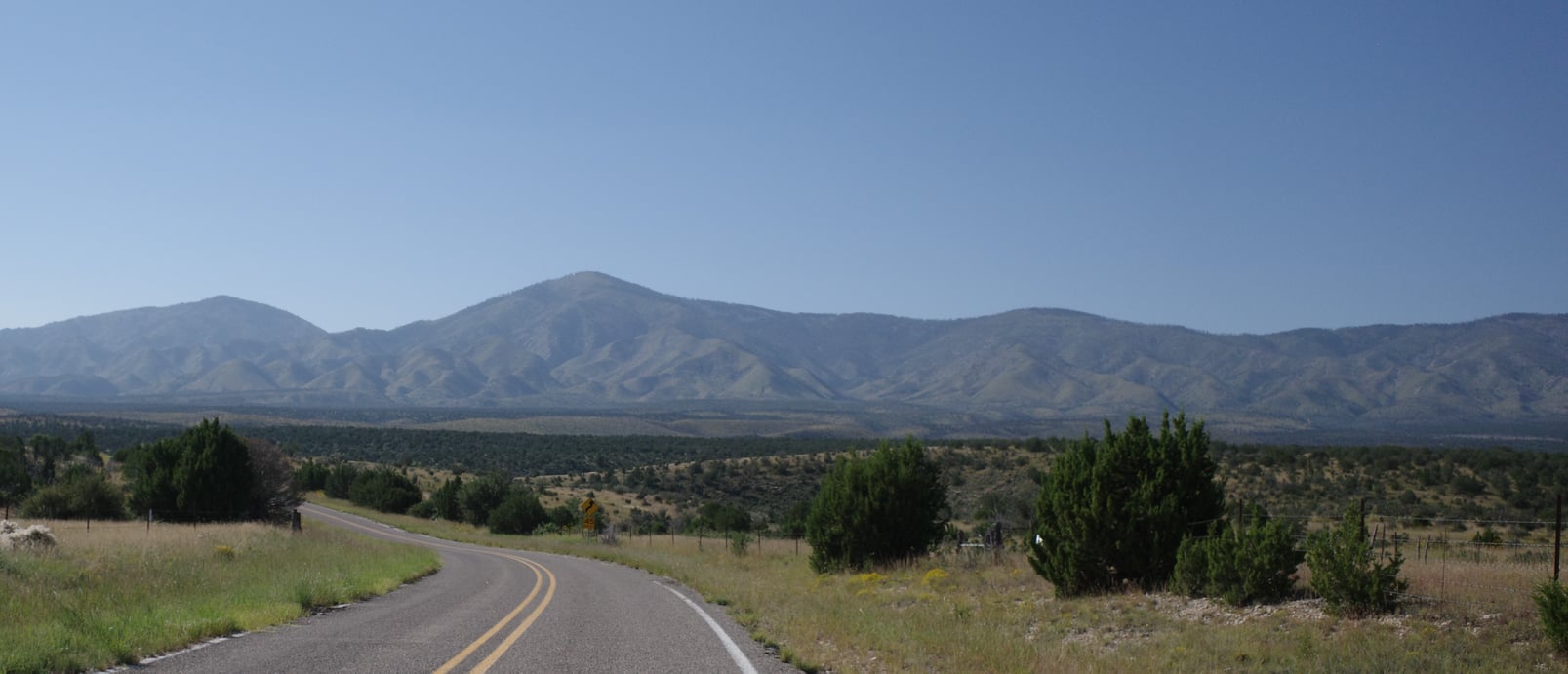
This may turn out to be the best day of the tour. Another day in the New Mexico countryside from Ruidoso in the mountains to Roswell in the high plains.
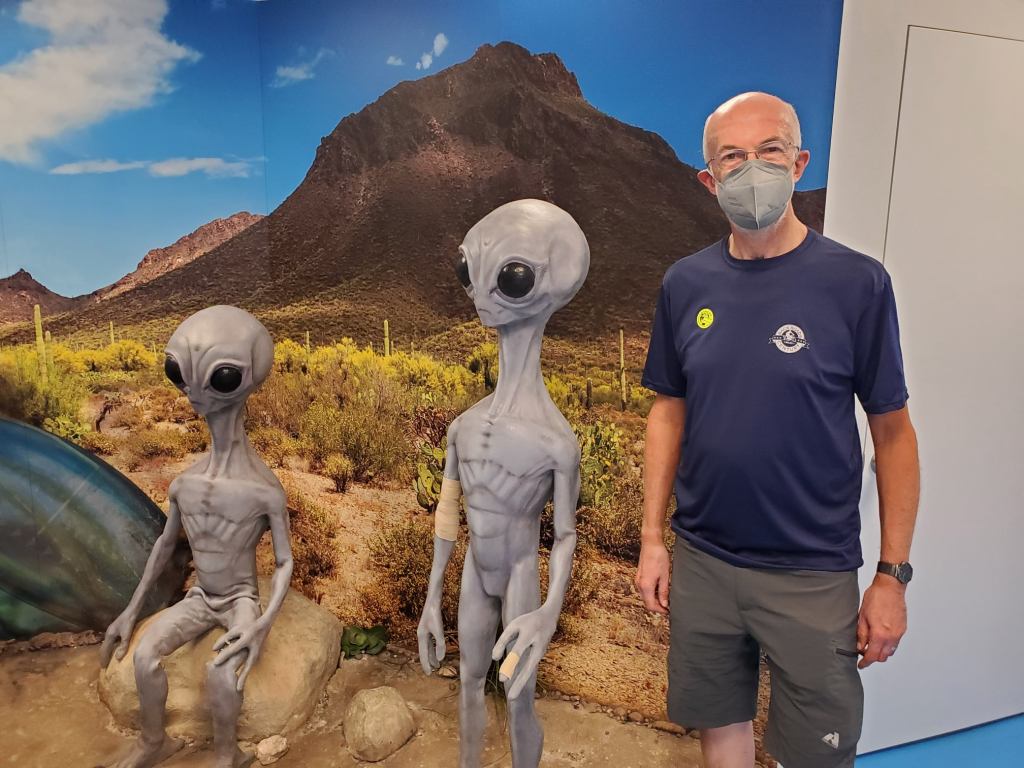
Yes, it’s that Roswell–just enough time to visit the Alien Museum!
Overall a descent of over 4,000 feet, with a favorable wind, and a relatively short 98 miles.










 A Climate Ride to Remember