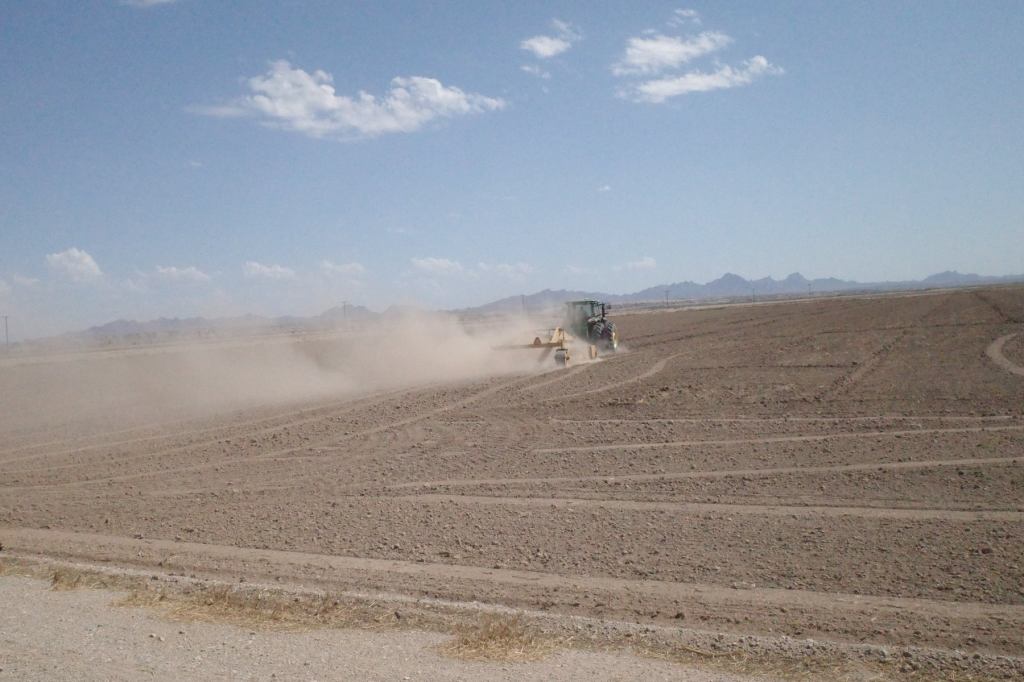
Day 9 – Socorro to Ruidoso

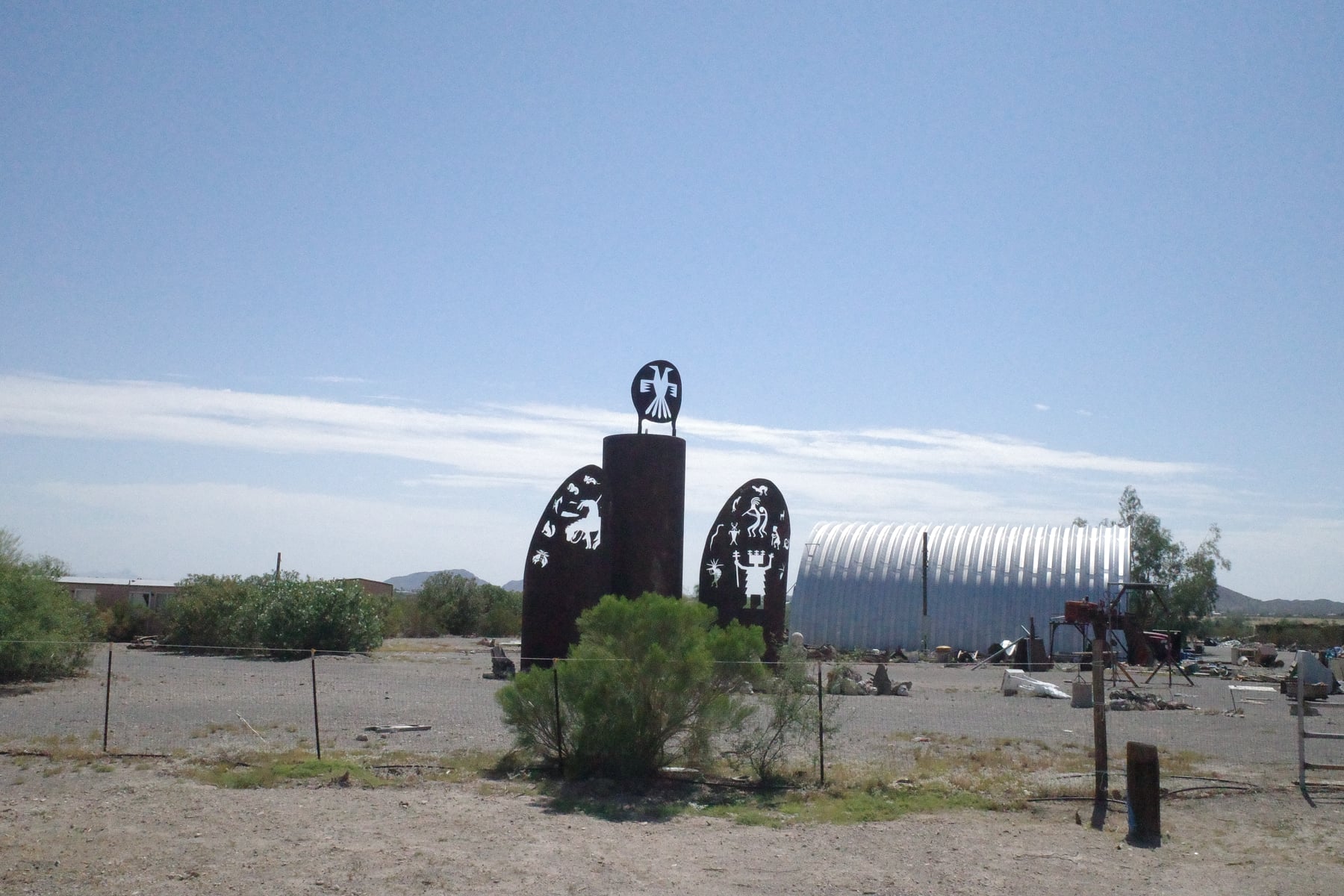
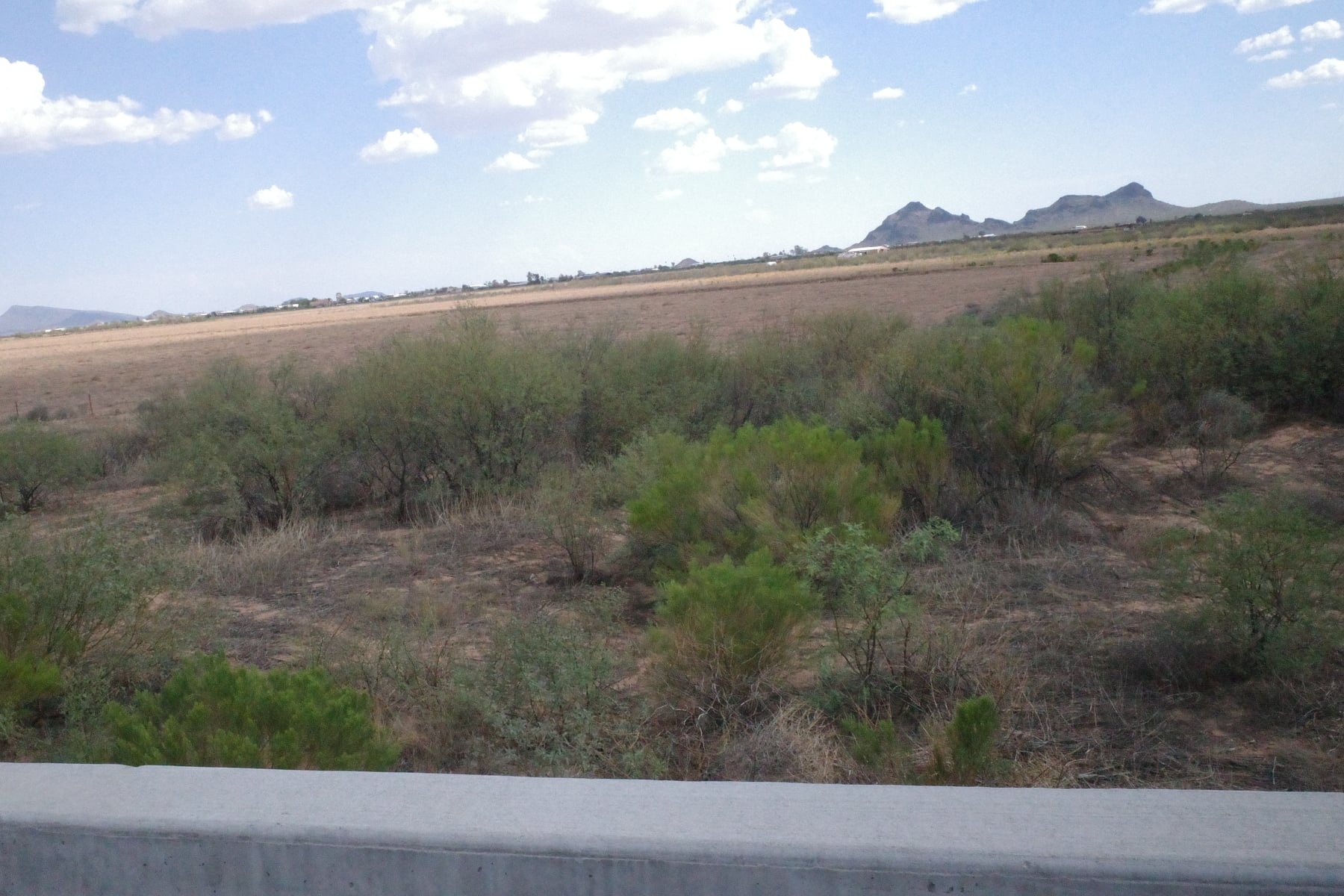
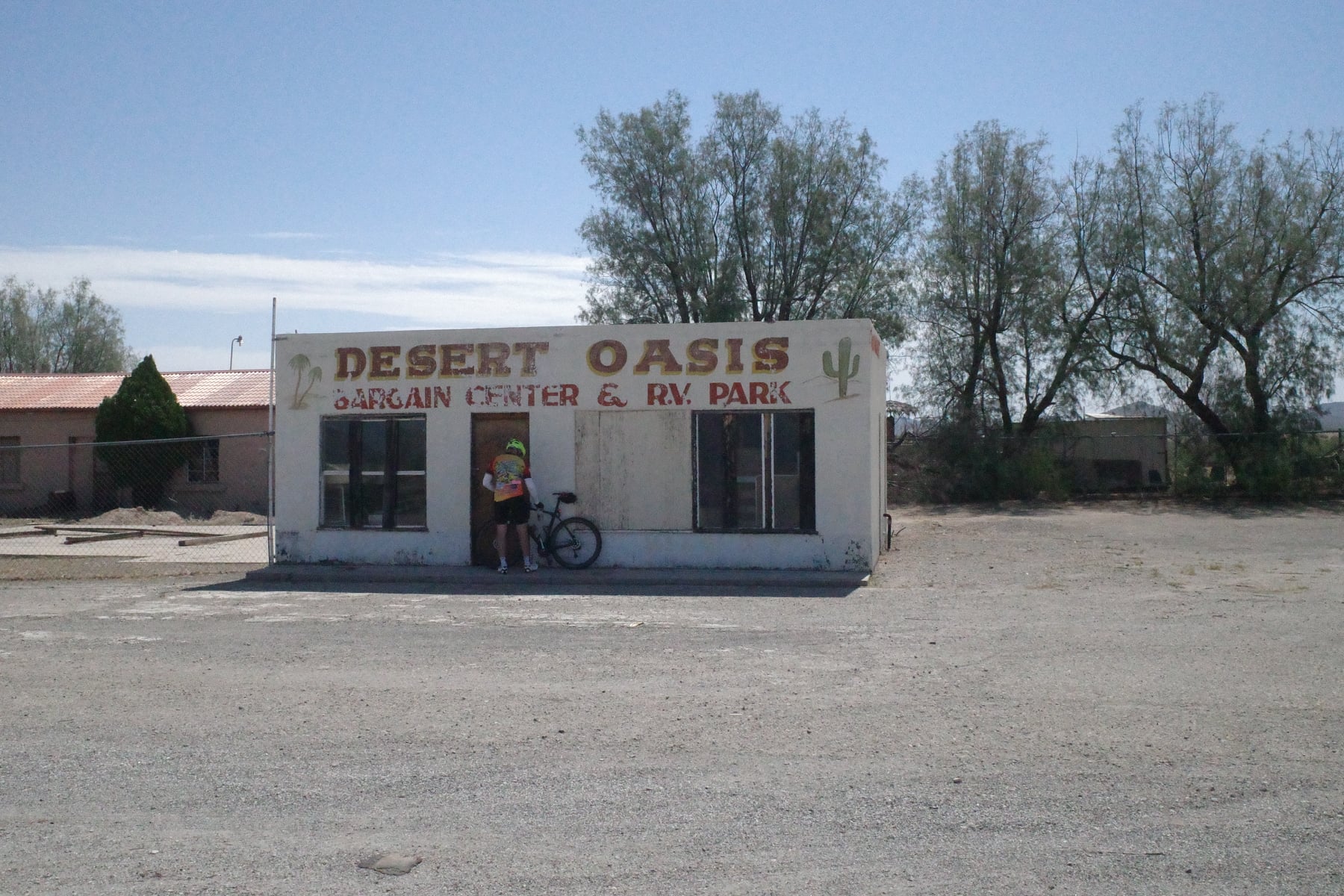
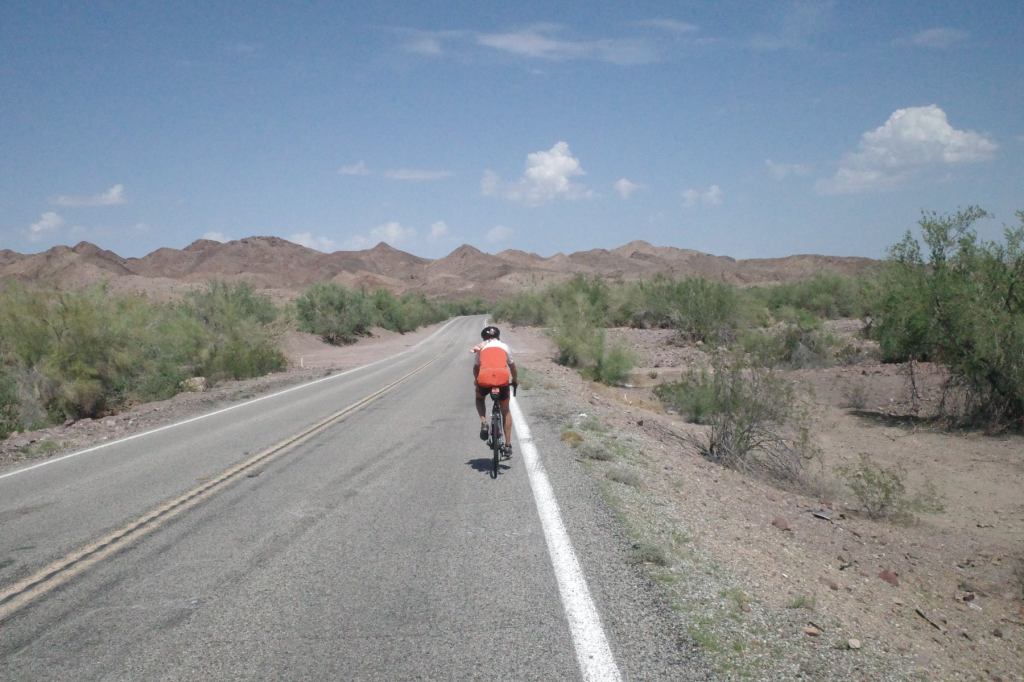
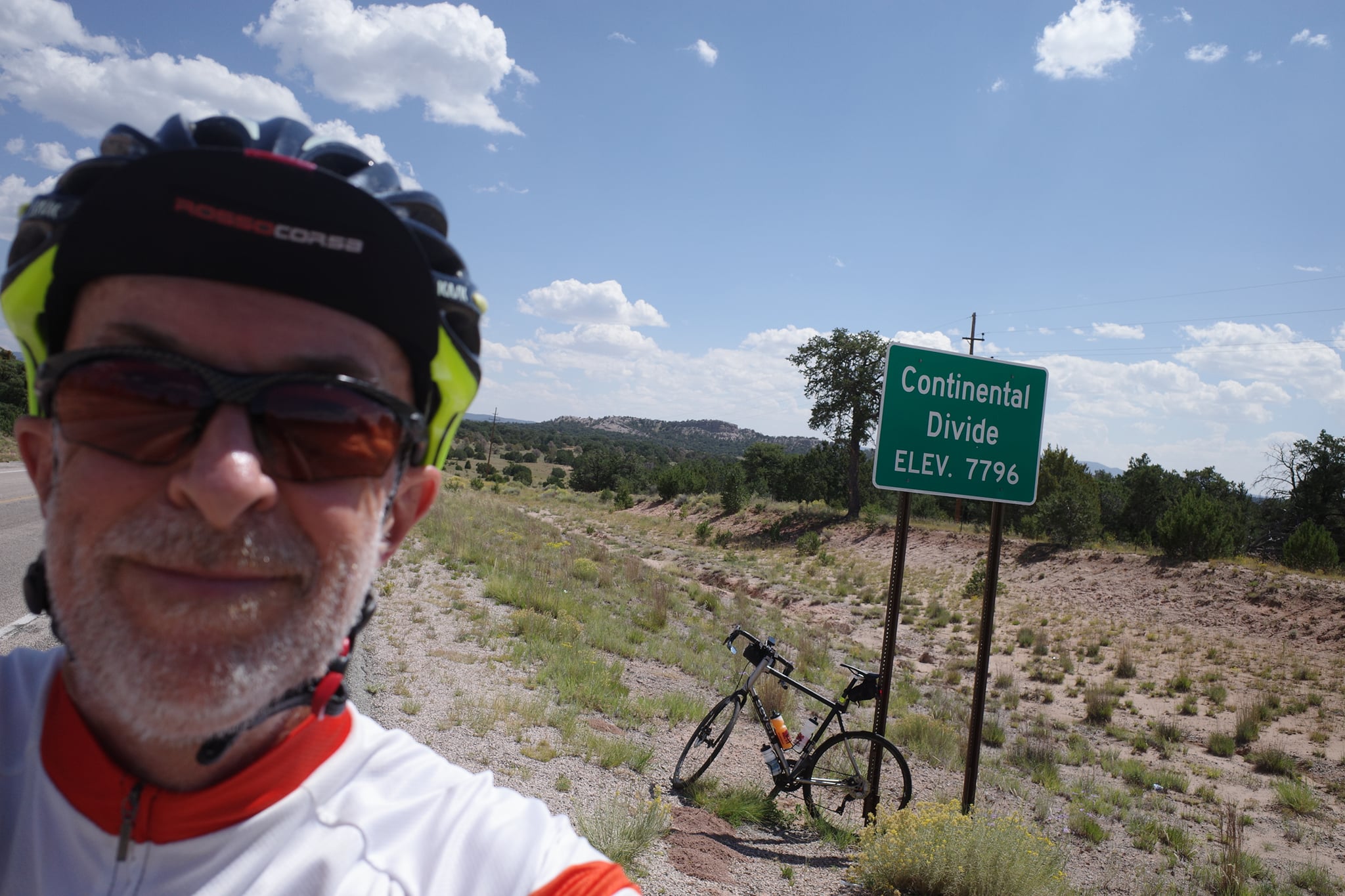
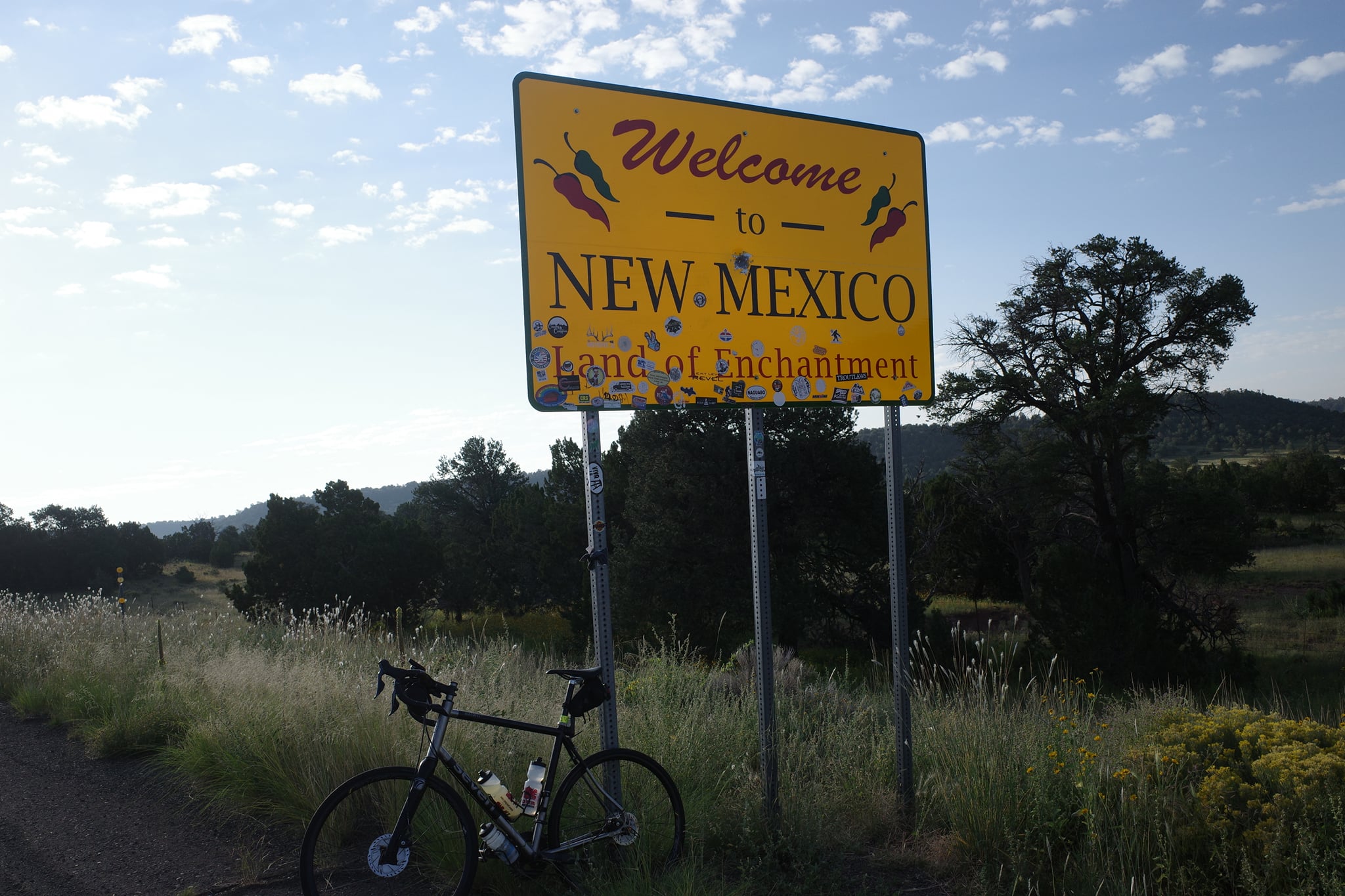
Day 9 of “A Climate Ride to Remember,” riding within New Mexico from Socorro to Ruidoso which sits at an elevation of about 7,000 feet.

Today’s journey was about 105 miles with a fair bit of climbing toward the end.

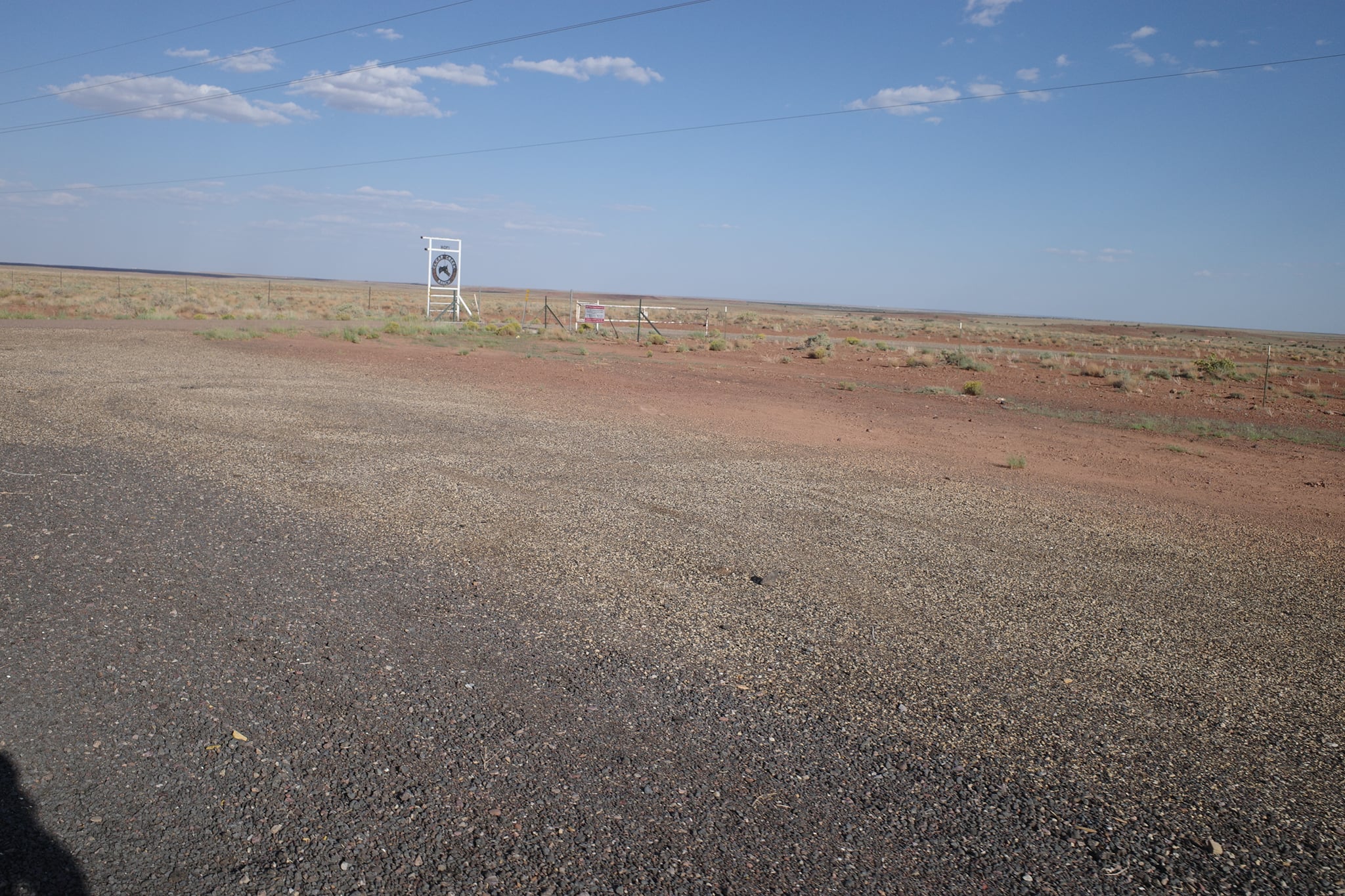
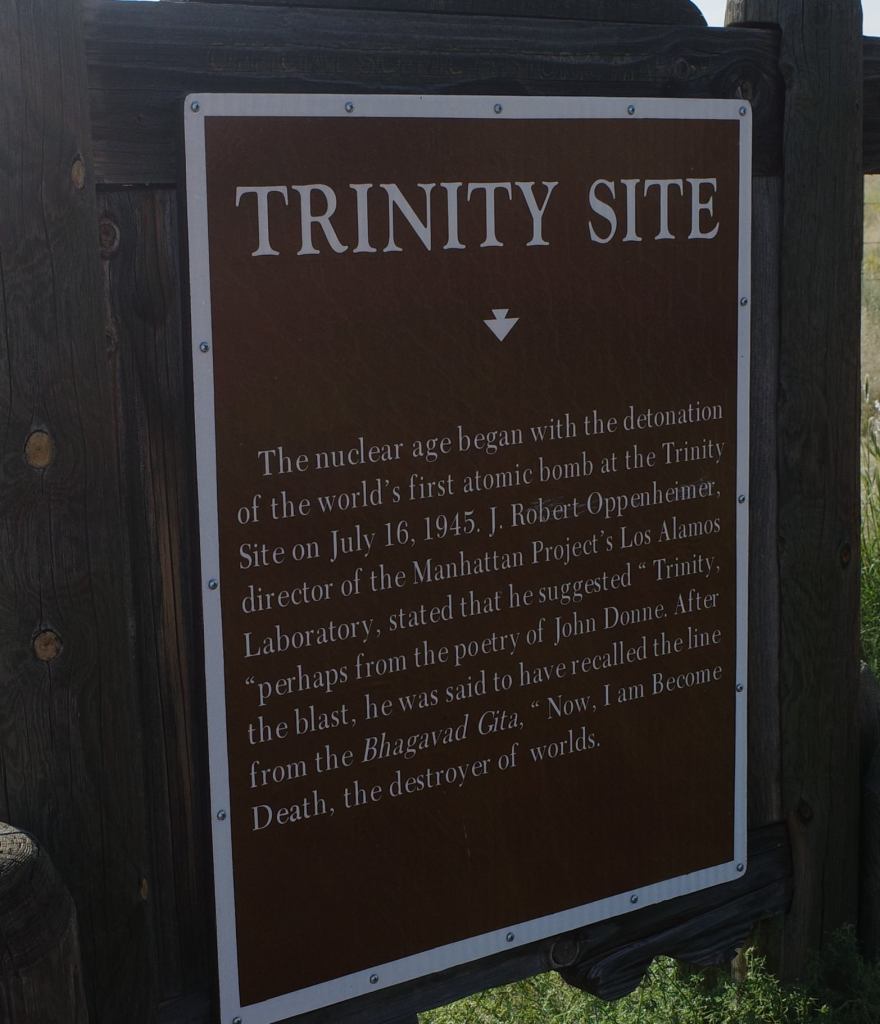
During the day, a sombre moment, as we took a rest stop at the “Trinity” site – the first nuclear test site.
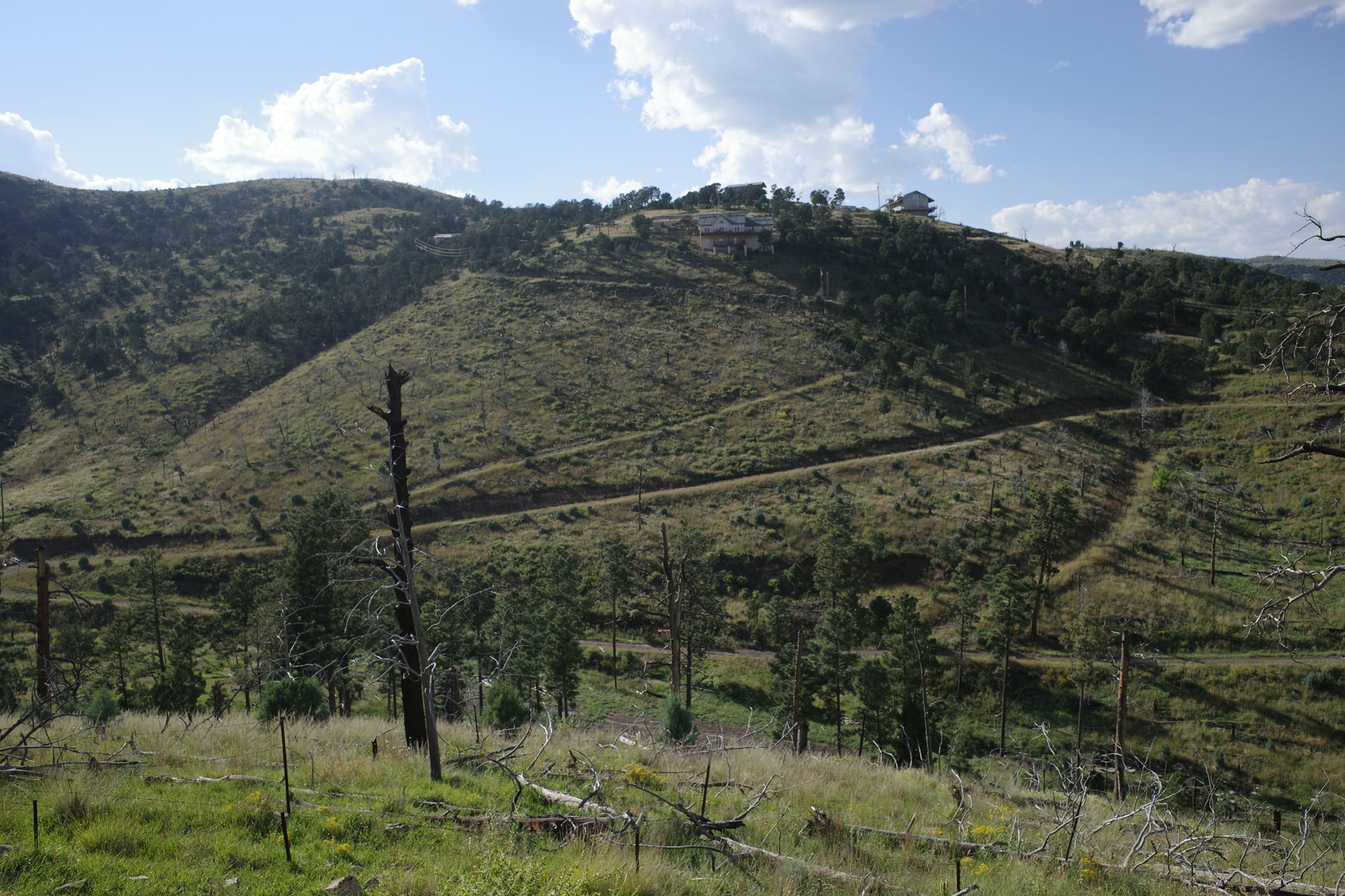
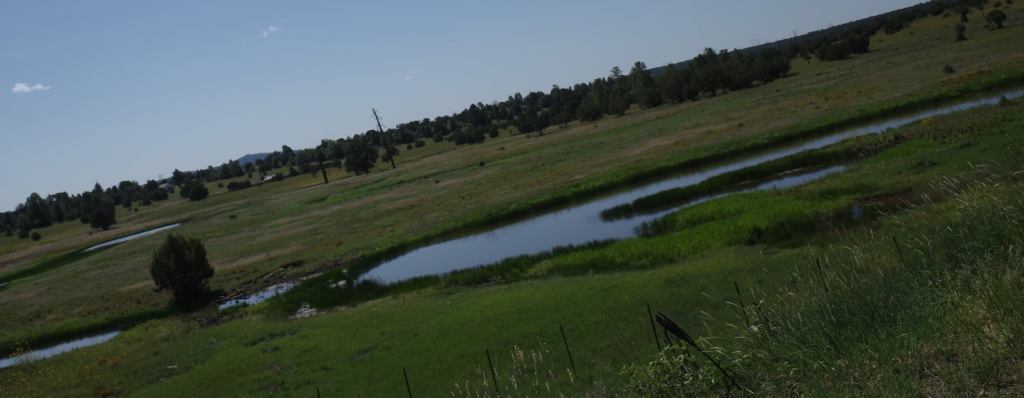
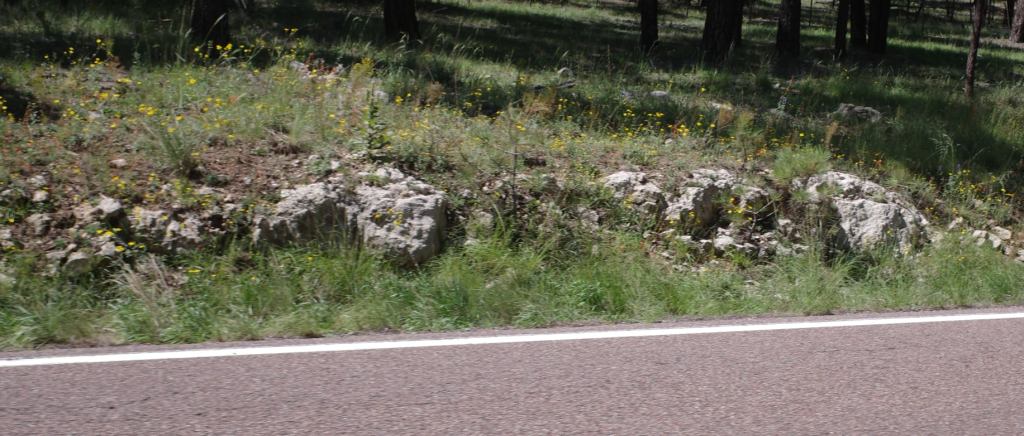
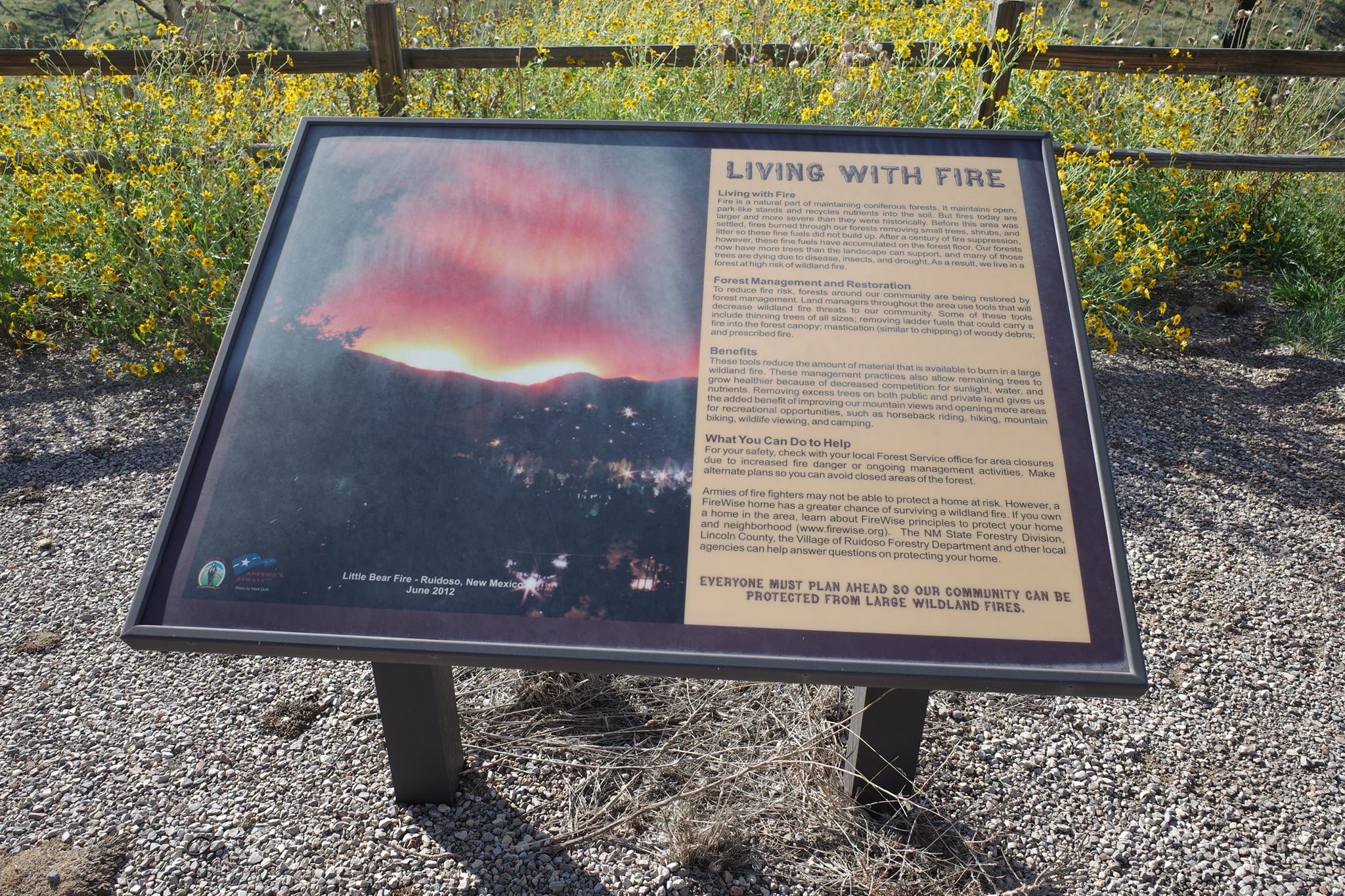
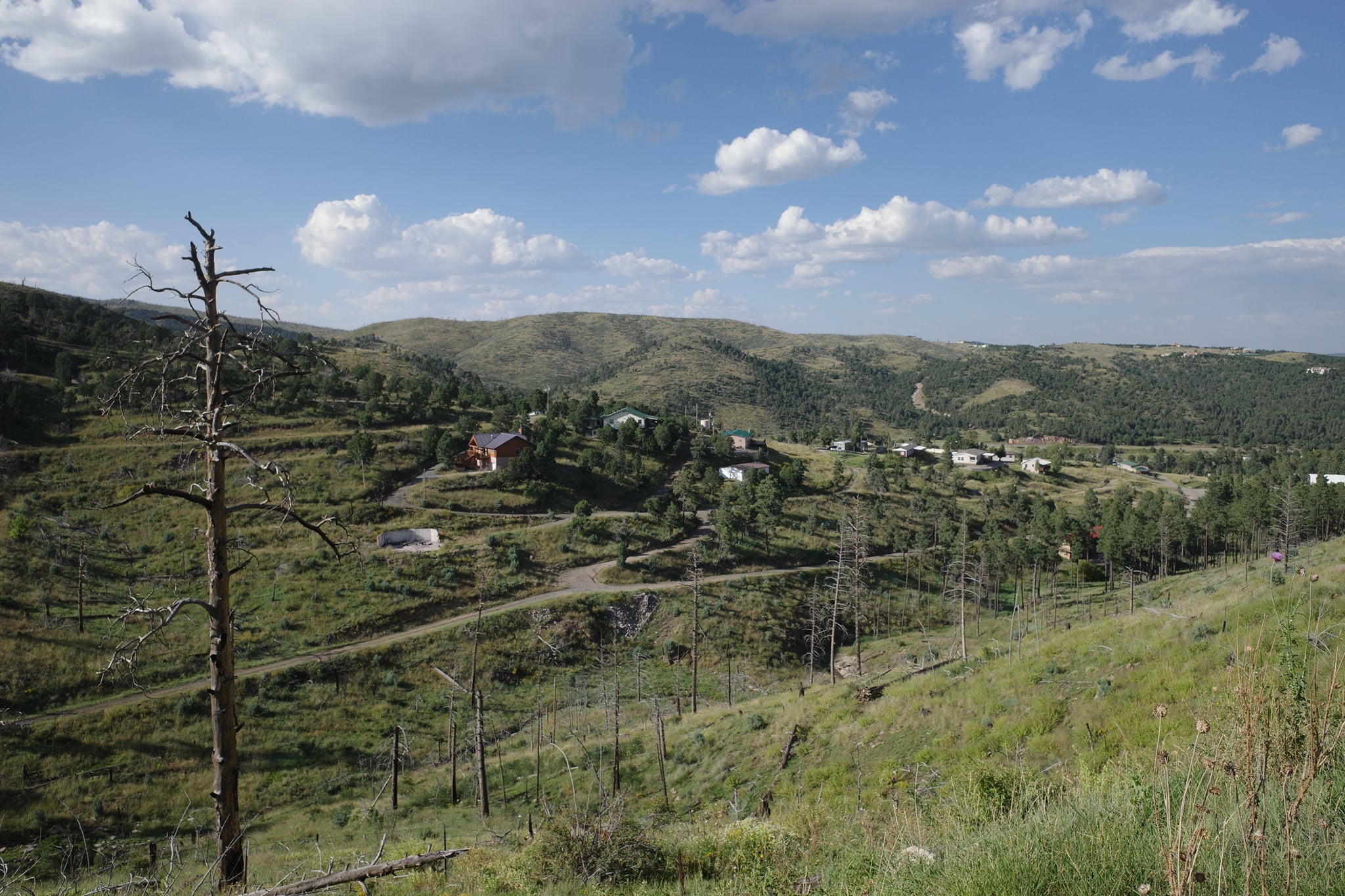
Scenic views near Ruidoso talk of a 2912 fire. And an earlier fire, produced the real Smokey the Bear.
My “climate breadcrumb” trail will re-appear when I have a slightly easier day and stop having punctures that need to be fixed!

#ccan #rockspringucc #climateride #curealz #solarvillageproject #pactour
Day 7 – Winslow to Springerville

Just past the one-fourth mark, with about 725 miles covered through the vast expanses of Southern California and Arizona.

The going has got tougher in the past couple of days through the mountains; being 5 years older than the last time I did a similar trip doesn’t help either!

Many thanks indeed to those who have donated to Cure Alzheimer’s and Climate Ride. I would love to respond directly to each and everyone. If you haven’t already donated, consider supporting these important causes!

My “climate breadcrumb” trail will re-appear when I have a slightly easier day. Meanwhile, you can catch up with the trail so far:

Climate Breadcrumb: San Diego

San Diego sits right on the US Mexico border…the intersection of the global North and global South, more and less “developed”. Tensions over the environment add to all the mess over migration, trade,…

Keep reading

Climate Breadcrumb: Julian CA

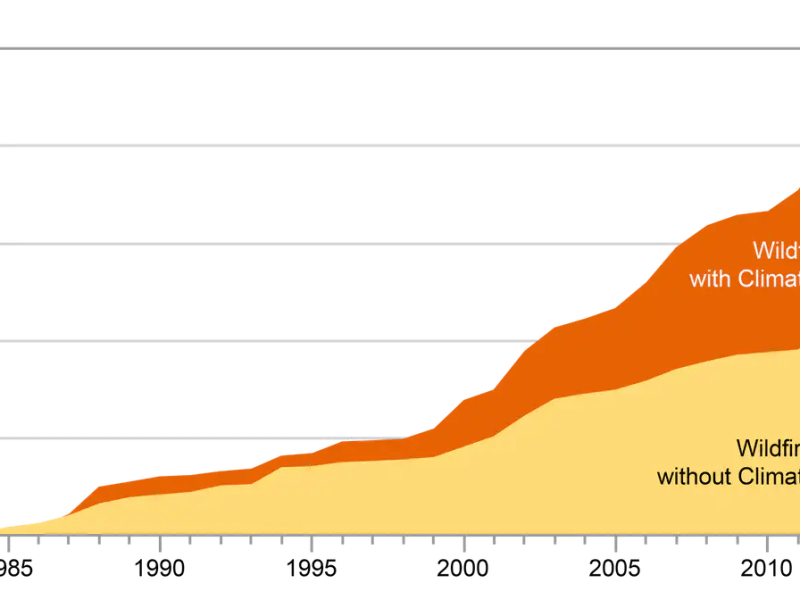
These days California means wildfire. Every year we hear that they are getting fiercer, more deadly, larger, lasting longer. The region we rode through today was the scene of the second or third…

Keep reading

Climate Breadcrumb: Blythe CA

Did you know it takes more than 800 gallons of water to grow the food you consume in ONE DAY? We just rode through Imperial County (El Centro to Blythe). It is very…

Keep reading

Climate Breadcrumb: Wickenburg AZ

On our way out of Blythe California en route to Wickenburg, Arizona, on Saturday, we crossed the Colorado River. Strong enough to carve the Grand Canyon, but no longer strong enough to reach…

Keep reading

Climate Breadcrumb: Maricopa County

Wickenburg is a small town (pop 7,500) on the very northern edge of Maricopa County, Arizona, the fourth largest county in the US, containing Phoenix. Maricopa County is therefore significant, e.g. for the…

Keep reading

Day 6 – Cottonwood to Winslow

In the Arizona mountains, specifically Coconino National Forest, riding 118 miles from Cottonwood to Winslow.

Up high, we see the first bit of abundant natural greenery, and even standing water, in near 500 miles.

45 miles climbing (infinite), 45 miles descending, with tail-wind 2 hours!

#ccan #rockspringucc #climateride #curealz #solarvillageproject #pactour
Day 5 – Wickenburg to Cottonwood

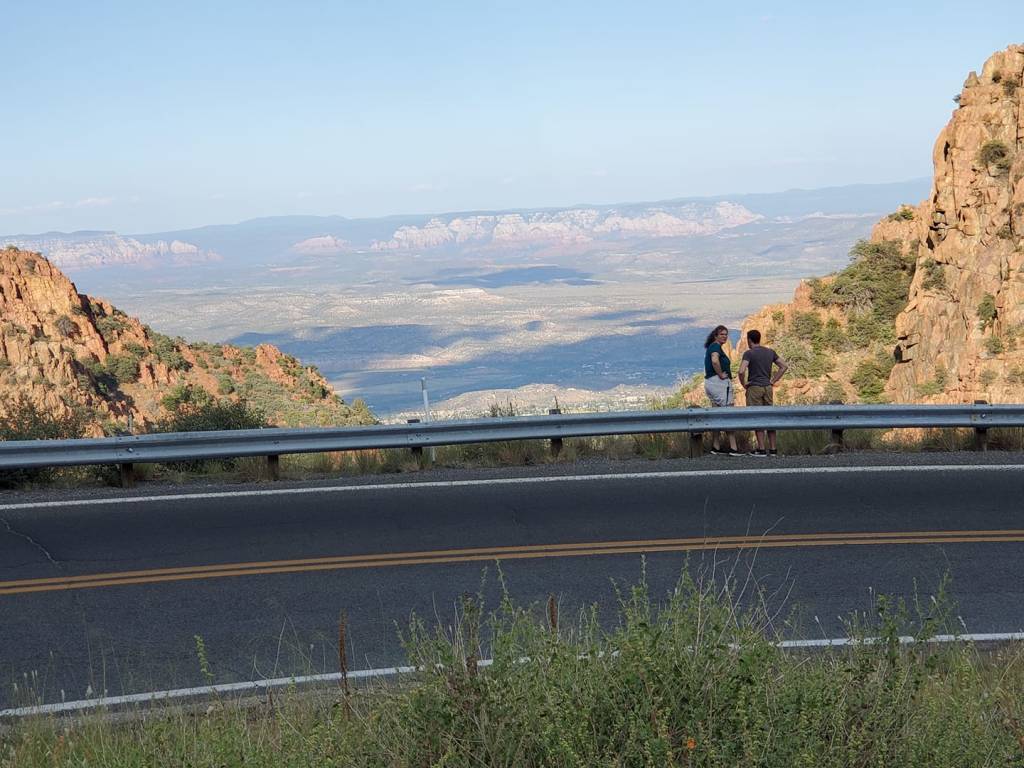
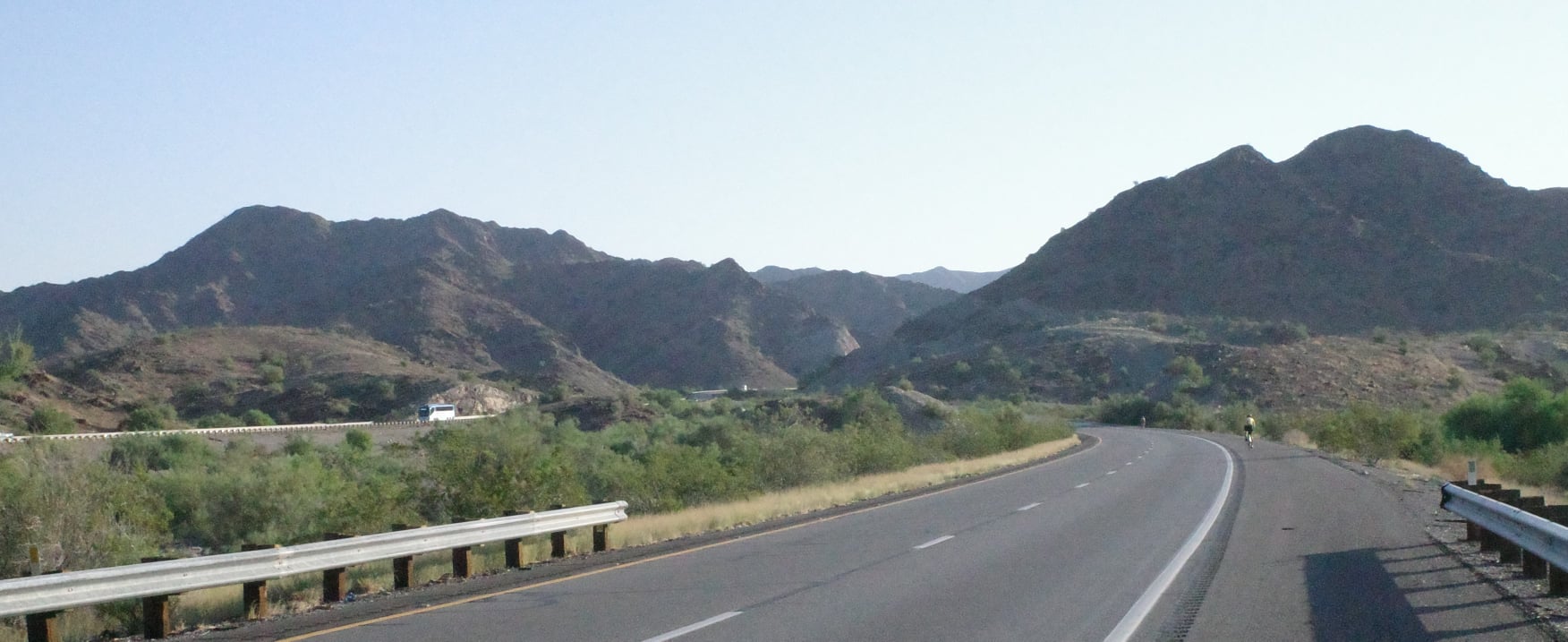
Into the Arizona mountains, 103 miles, from Wickenburg to Cottonwood Arizona, including Mingus Mountain, topping out at about 7,000 feet.

A long slow slog to the top. Fun descent. Not much chance for photographs. Just this one, from about half-way down.

See more in today’s “climate breadcrumb” at https://bells.live/2021/09/13/climate-breadcrumb-maricopa-county/

#ccan #rockspringucc #climateride #curealz #solarvillageproject #pactour
Climate Breadcrumb: Maricopa County

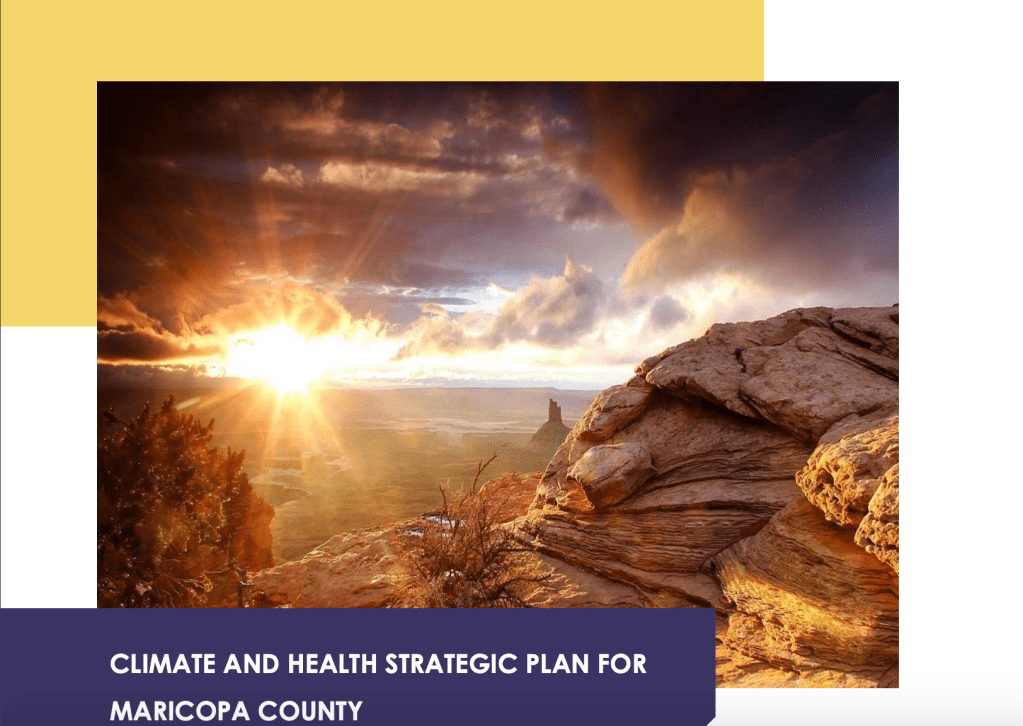
Wickenburg is a small town (pop 7,500) on the very northern edge of Maricopa County, Arizona, the fourth largest county in the US, containing Phoenix. Maricopa County is therefore significant, e.g. for the wrong reasons, when it holds scurrilous “audits” of lost elections. Or for good reasons, like when it prepares a climate action plan.

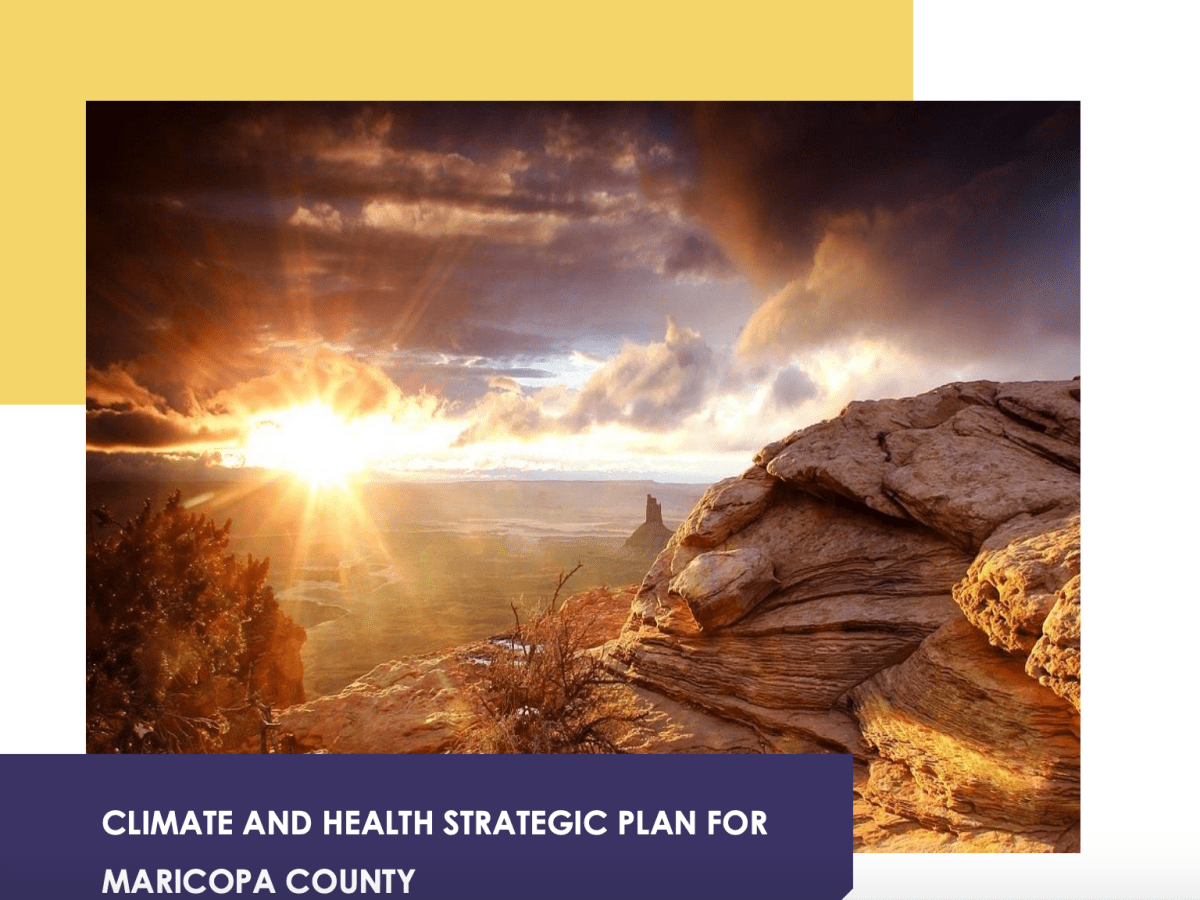
I don’t know how much it has been implemented, but the Climate and Health Strategic Action Plan 2016-21 is notable for several, mixed reasons.

One: that it exists at all given the political divides in Arizona.

Two: that it dances around the question of whether climate change is human-made.

Three: it links climate change with a fundamental concern of the people in the region. HEAT!! And its effects on public health. And, boy, have we felt the heat—one excessive heat advisory after another. That third point is crucial for attacking climate change: solutions have to respond to self-interest to have a chance of success…

https://www.maricopa.gov/…/Climate-and-Health-Strategic…

#ccan #rockspringucc #climateride #solarvillageproject

Climate Breadcrumb: Wickenburg AZ

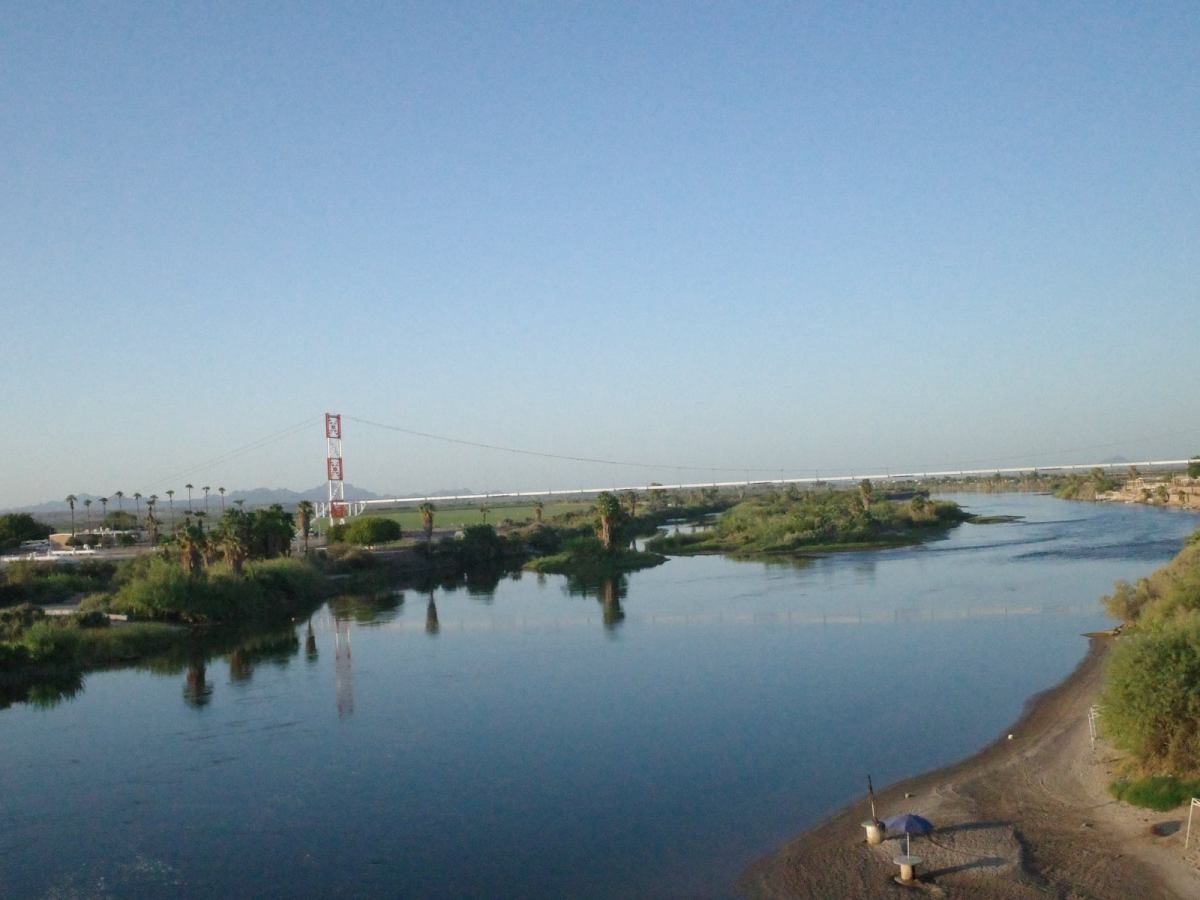
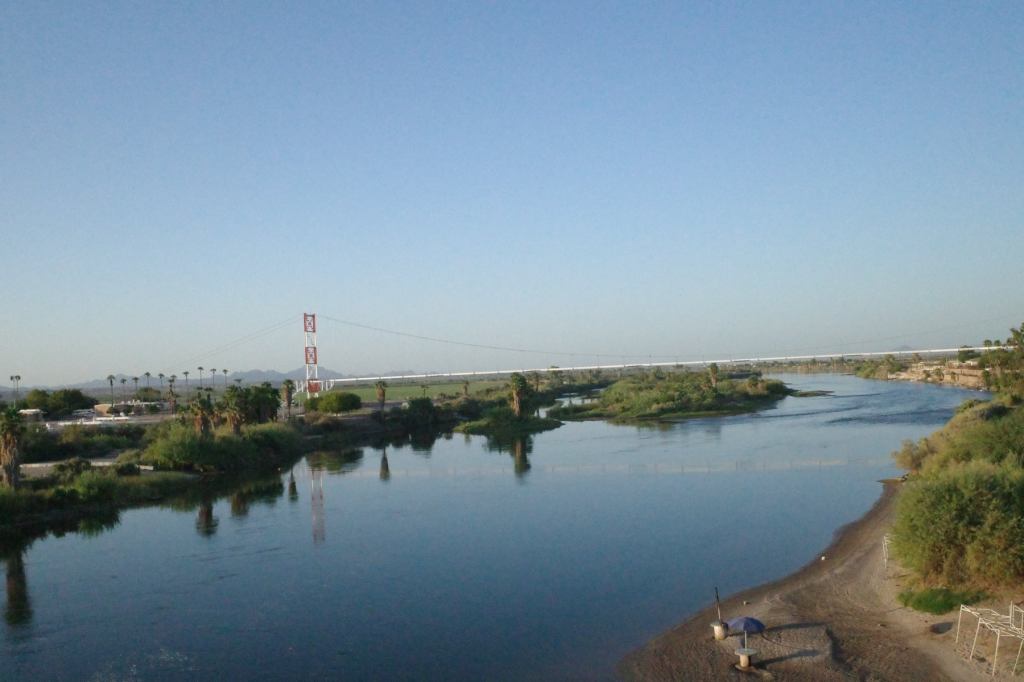
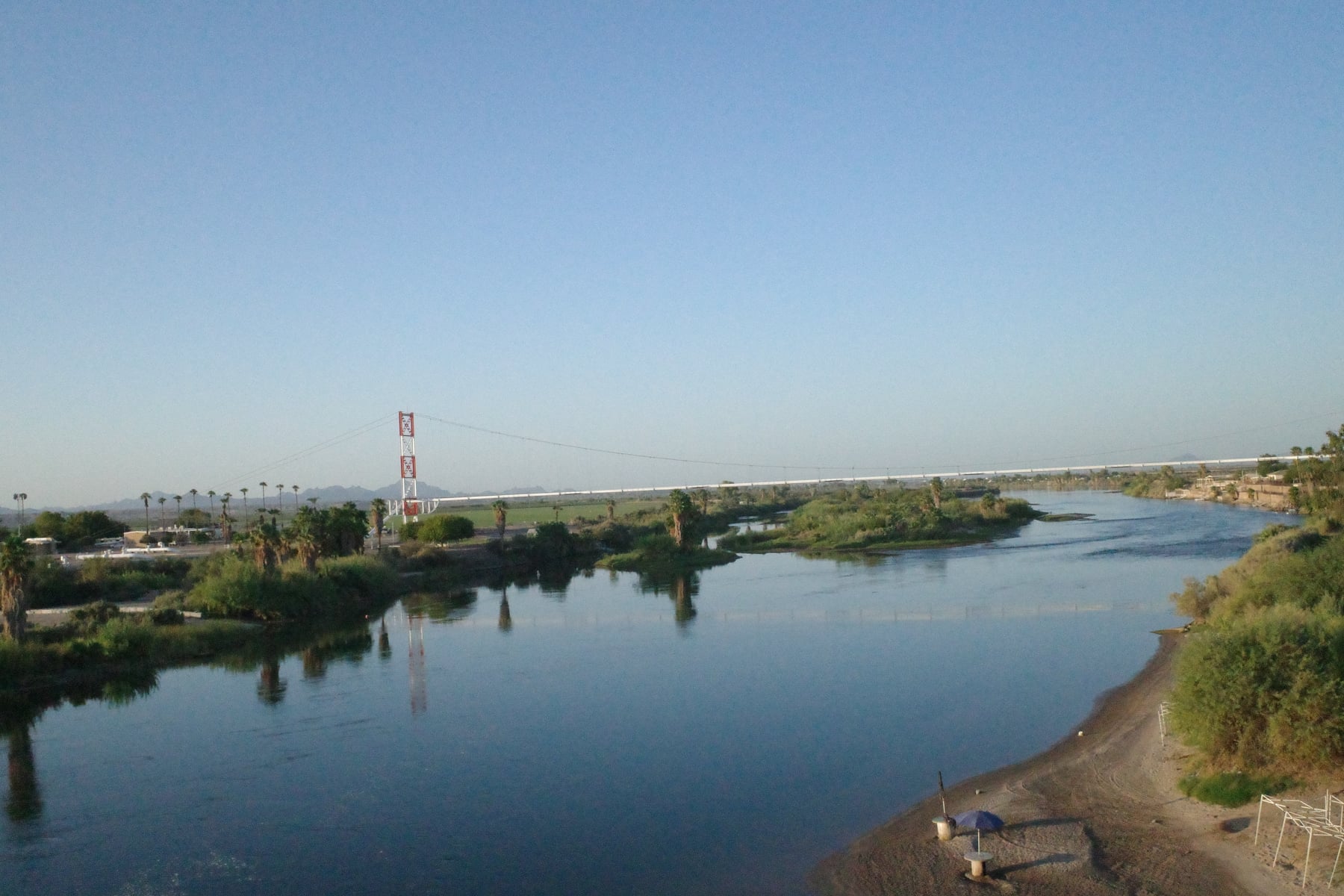
On our way out of Blythe California en route to Wickenburg, Arizona, on Saturday, we crossed the Colorado River. Strong enough to carve the Grand Canyon, but no longer strong enough to reach the ocean.

Its waters are diverted by thirsty agriculture (70 percent is a number I’ve seen), industry and households as it runs through seven western US States. Then what little is left enters north-western Mexico, and rarely if ever reaches the Gulf of California in Mexico.

Another marker of climate change: river flow is already down 20 percent from last century; and some models predict a loss of a further 50 percent. You can bet that if the river dried up in California, something would have been done years ago. This is not “The Wall.” But Mexico is paying!

https://www.usatoday.com/…/climate-change…/4842148002/

#ccan #rockspringucc #climateride #solarvillageproject

Climate Breadcrumb: Blythe CA

Did you know it takes more than 800 gallons of water to grow the food you consume in ONE DAY?

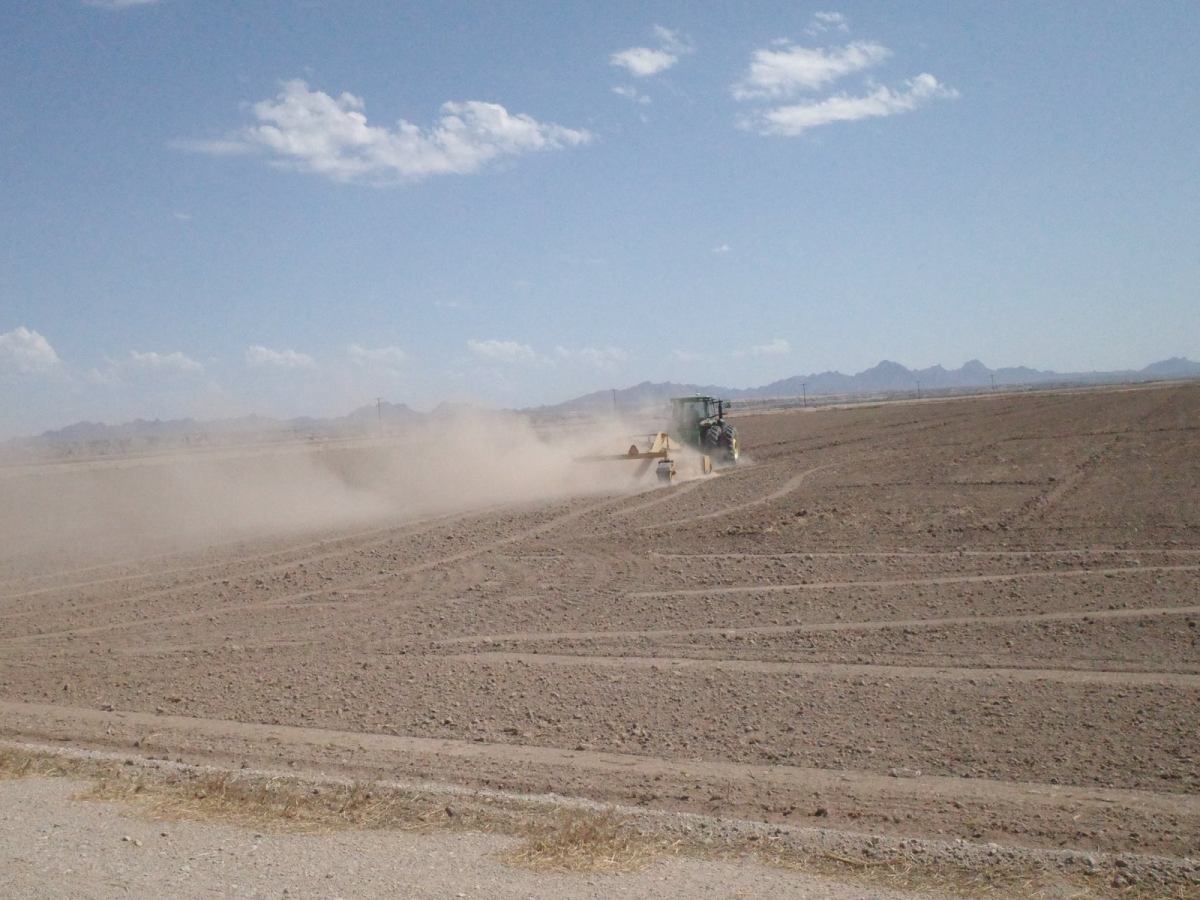
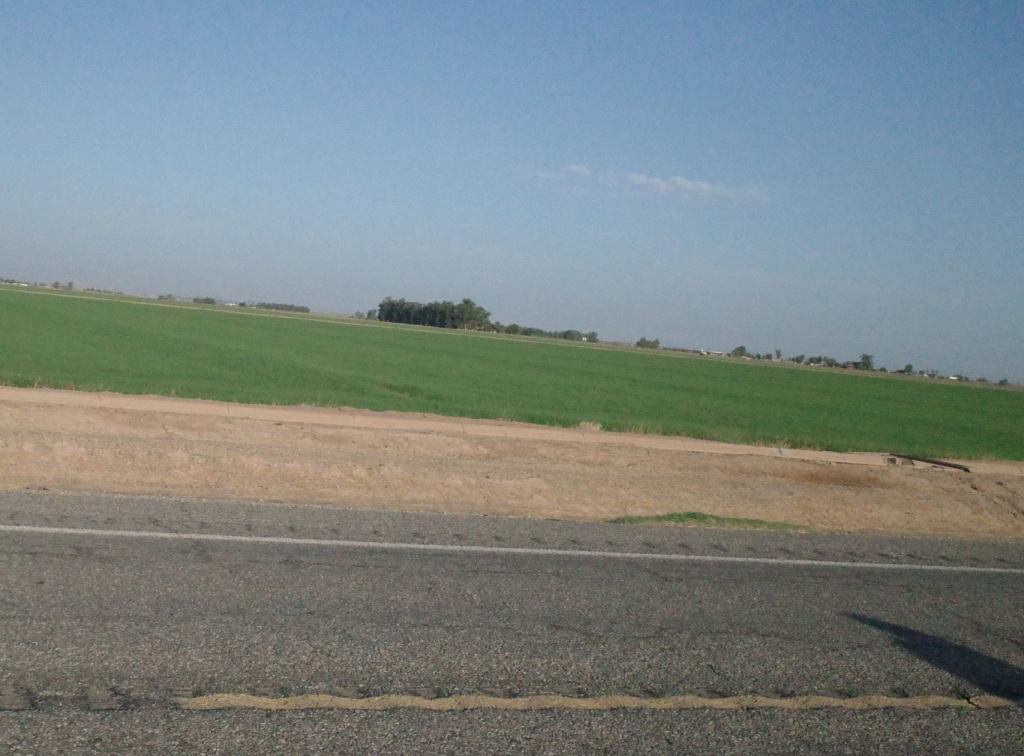
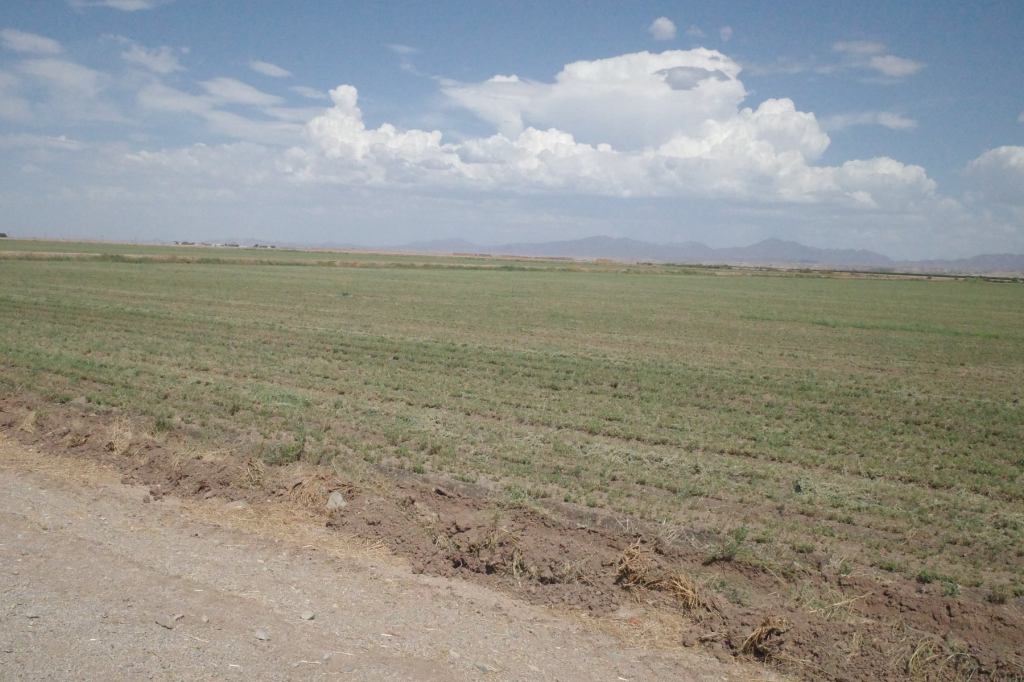
We just rode through Imperial County (El Centro to Blythe). It is very hot desert and looks barren. It rarely rains. Yet agriculture is a huge part of the local economy, and it supplies all manner of salad and vegetables to the US. I saw it riding through Imperial County; you can see it represented in this 3-D representation of that ride.

It does it solely by using the Colorado River, through widespread irrigation systems in specific areas of the county. Very many other regions use the Colorado. More on that tomorrow. If the Colorado supplies less in the future because of climate change, then the region will just revert to desert.

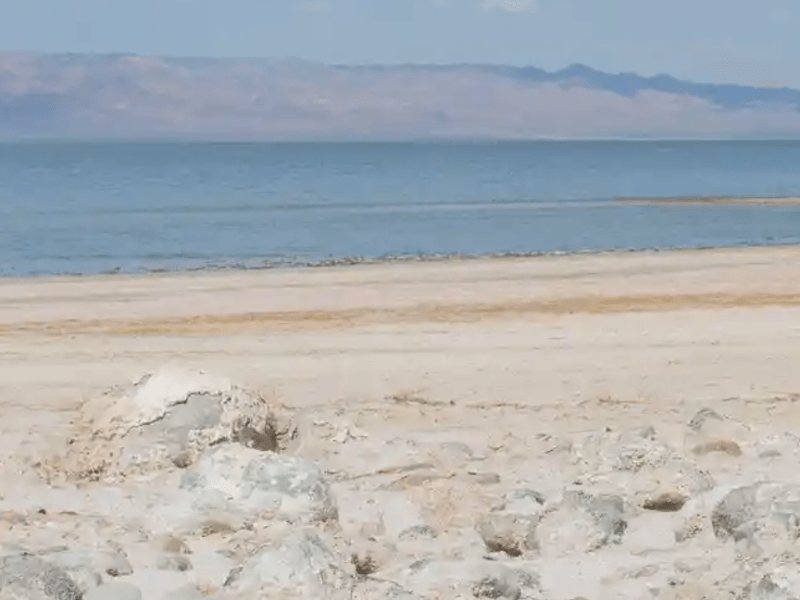
Agriculture is threatened by a vicious cycle of toxicity with climate change. As temperatures rise, bugs become more prolific, the number of generations per year increases…and farmers apply more pesticide, which ends up in run off, and adds to the noxious mix in the Salton Sea.

USA Today: About 40 million people get water from the Colorado River. Studies show it’s drying up.

Want to support my efforts in raising much needed money to address climate change?

#ccan #rockspringucc #climateride #solarvillageproject